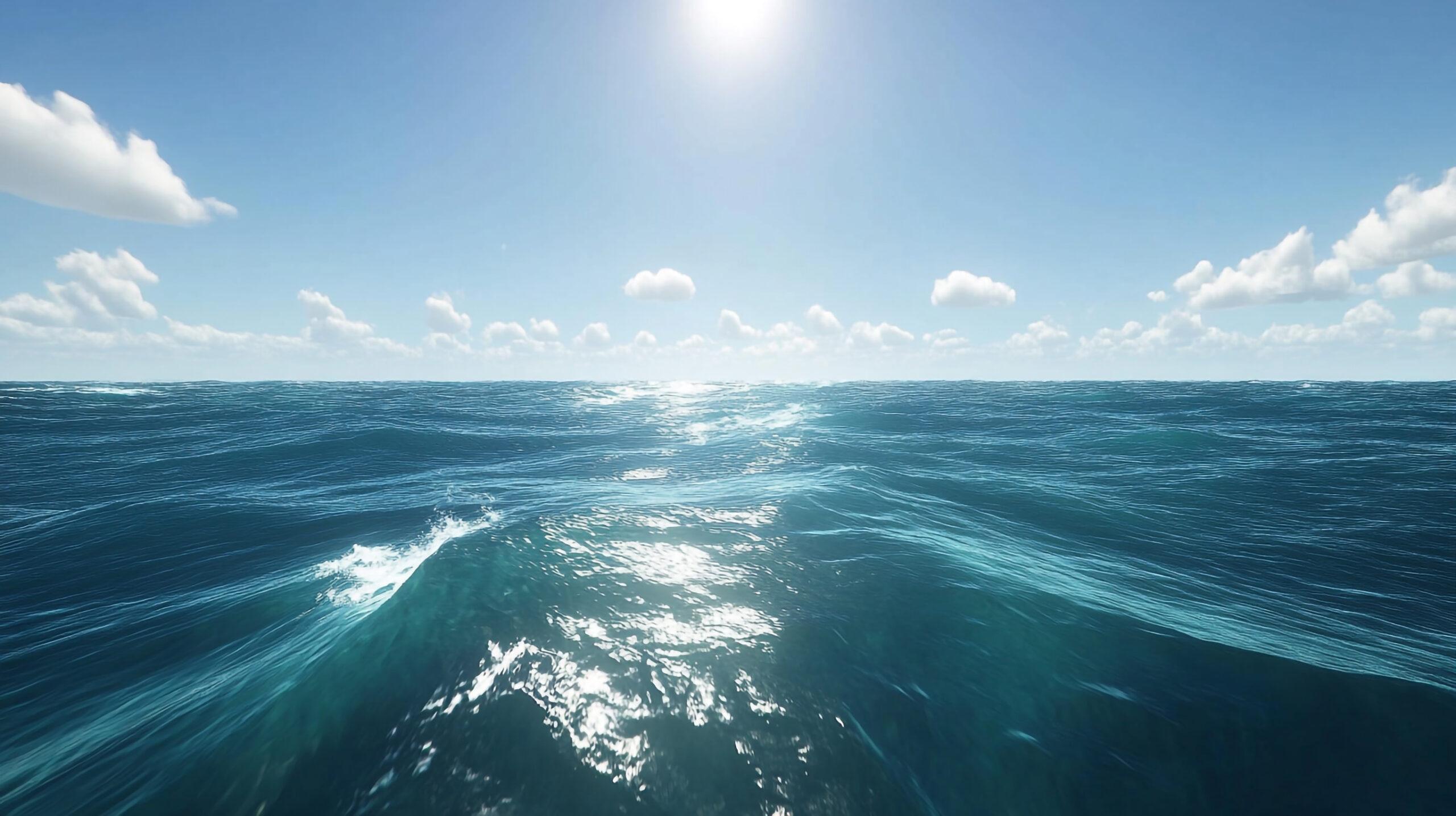
The EPA's blunt forecast is that in the coming decades these effects are set to accelerate. Besides, we know this well. Greenhouse gases are changing the oceans and the planet's ice cover. Carbon dioxide reacts with water to form carbonic acid, so the oceans are becoming more acidic.
According to estimates, the surface of the oceans has warmed by about one degree over the last 80 years. Snow melts earlier in spring and mountain glaciers are retreating.
The same phenomenon that afflicts our Alps naturally also affects the great ice sheets of Greenland and Antarctica. With the other well-known consequence that the sea is rising at an increasing rate.
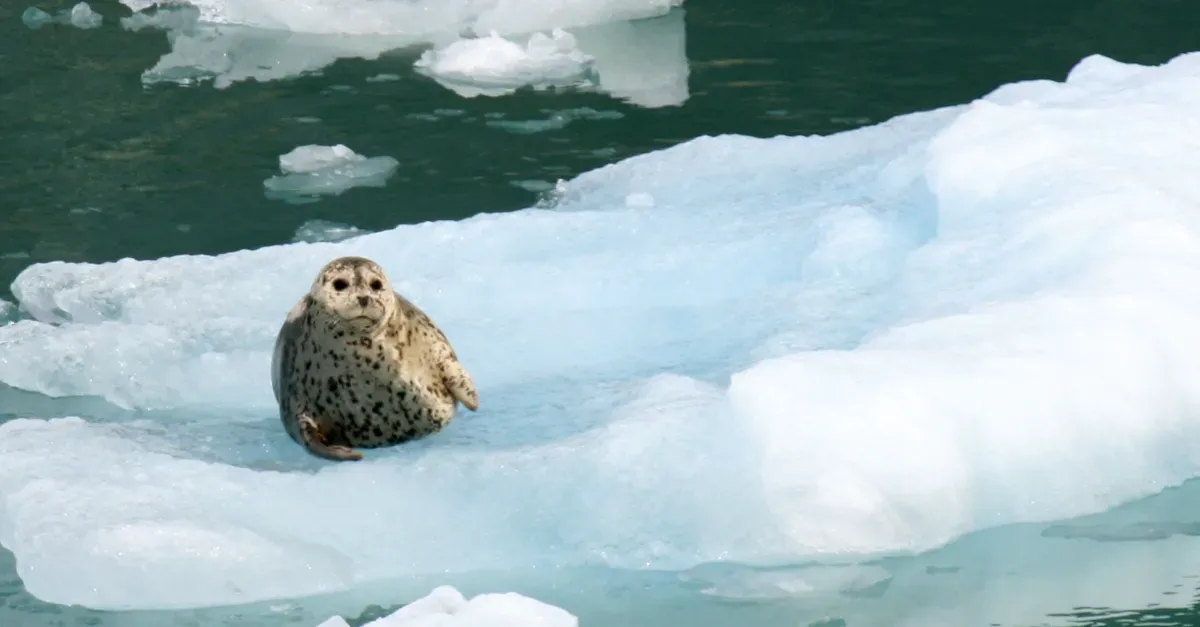
Glaciers retreated drastically over the last century in south-east Alaska, in the Alaska Range and along the south-central coast. In Glacier Bay National Park, for example, the Muir Glacier has retreated by more than 31 miles since it was first observed in the late 19th century. Until recently, ice covered most of the Arctic Ocean even in summer.
But the area covered by ice at the end of summer 2012 was almost 50 per cent smaller than the historical average. The forecast is that the ice will melt completely in most summers within a few decades. It should be remembered that sea ice is the habitat of polar bears, walruses and other animals; it is a hunting ground for Alaska's Native communities, as well as a buffer against storm damage. The impact of this process on Alaska's Native communities is therefore simply devastating.
For these communities, among the last Native peoples to survive in North America, life is changing completely in these years. Travel and movement, hunting, food and infrastructure have always depended on, indeed are “designed” for, a landscape that is frozen for much of the year.
The progressive loss of sea ice is altering the subsistence-based way of life of groups such as the Yup'ik, the Iñupiat and the “famous” Inuit, whom we have come to know from the many films dedicated to them (and made by their own filmmakers).
As the habitat for traditional food sources (such as the walrus) shrinks so drastically, coastal communities are increasingly considering moving to more stable land. These are areas where jobs in the broader economy are scarce, so the threats to the traditional resources on which Alaska Natives rely make them a population particularly vulnerable to the impacts of climate change.
Or perhaps just a first concrete example of what could happen on a
larger scale, to many other populations of the planet, if global warming continues at this pace.