First from 2019; then in March 2019 the European Parliament approved the proposal, but left the choice to individual states until 2021. Nothing came of that either.
But what is the real situation regarding the costs and benefits, in the various sectors, of this much-discussed switch to daylight saving time? Let us try to summarise.
Energy savings
During the months when daylight saving time is in force, the data show an actual reduction in electricity consumption.
For example, in 2024 Italy cut its energy consumption by 340 million kWh during the seven months of daylight saving time, equivalent to the annual needs of about 130,000 households. The calculated saving is over 75 million euros.
According to calculations by Terna, the company that manages the national transmission grid, the economic saving from 2004 to 2024 in Italy due to daylight saving time amounted to over 11.7 billion kWh less consumed, that is, about 2.2 billion euros for citizens.
Environmental benefits
Naturally, lower electricity consumption means a reduction in carbon dioxide emissions. According to estimates, in 2024 the lower electricity consumption avoided about 160,000 tonnes of CO2 emissions.
In 2023 an even greater reduction was estimated, of about 200,000 tonnes of CO2.
A practical example
Some, however, have made far higher estimates of the savings.
Assuming an average saving of 5 million kWh per day, and supposing that daylight saving time lasts 147 days (from late March to late October), we have:
Total saving:
147 days × 5 million kWh per day = 735 million kWh
Economic value:
If the average cost of a kWh is 0.24 euros:
735 million kWh × 0.24 euros per kWh = 176.4 million euros
And the downsides?
The main criticisms of daylight saving time concern chiefly its effects on health and the problems linked to the circadian rhythm. Besides the actual effectiveness of the energy savings, which some call into question.
Health effects
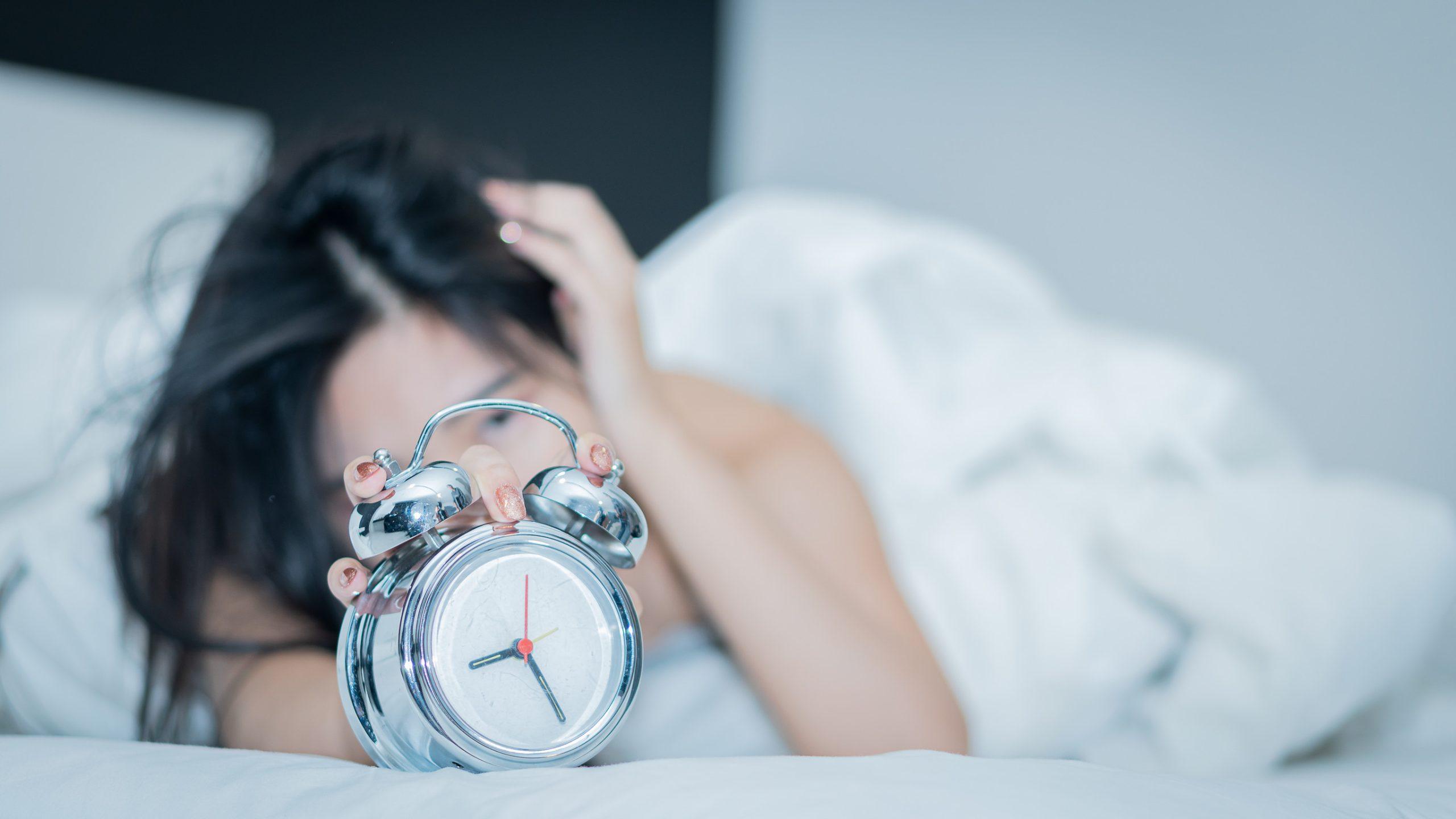
First of all, sleep disturbance. The switch to daylight saving time can cause sleep deprivation, because many people have to get up earlier than their body clock dictates. This leads to fewer hours of sleep, with consequent difficulty concentrating and tiredness.
Increase in accidents. This is certainly a more worrying finding: studies have shown an increase in road and workplace accidents in the days immediately following the clock change. For example, there was a 6% rise in road accidents and even a 24% increase in heart attacks on the Monday after the switch to daylight saving time.
Cardiac risks. An increased risk of heart attacks has indeed been observed, particularly in people already at risk, during the week following the clock change.
Impact on the circadian rhythm
The clash with our biorhythms can also be considered a health effect: adopting daylight saving time alters people’s natural circadian rhythm, leading to a sort of ‘jet lag’ that can last for the whole period in which daylight saving time applies. This misalignment can negatively affect various biological functions and general wellbeing.
Effectiveness of energy savings
Critics argue that the energy savings from daylight saving time are by now marginal, given the growing use of electronic devices and low-consumption technologies.
Some economists warn that daylight saving time could even lead to an increase in energy consumption in certain contexts: for example, because of the cooling of buildings during the longer evening hours.
So? Daylight saving time, yes or no? The debate remains open. Certainly, the impact on health also has costs, which are hard to quantify. For example, if for many days or even weeks after the introduction of daylight saving time we are slower in our reflexes, less focused and more irritable at work, our performance will suffer, as will our productivity.
There is another aspect that could help us settle the question.
If we take a holistic perspective, that is, the idea that the life and behaviour of living beings on this planet are one interconnected whole, full of relationships and analogies, why not look at how daylight saving time affects animals, starting of course with our domestic companions? We might draw interesting and useful indications from it, confirmations or refutations.
We will do so in a forthcoming article. Stay tuned.