How the return of 1980s and 1990s fashion can help the environment
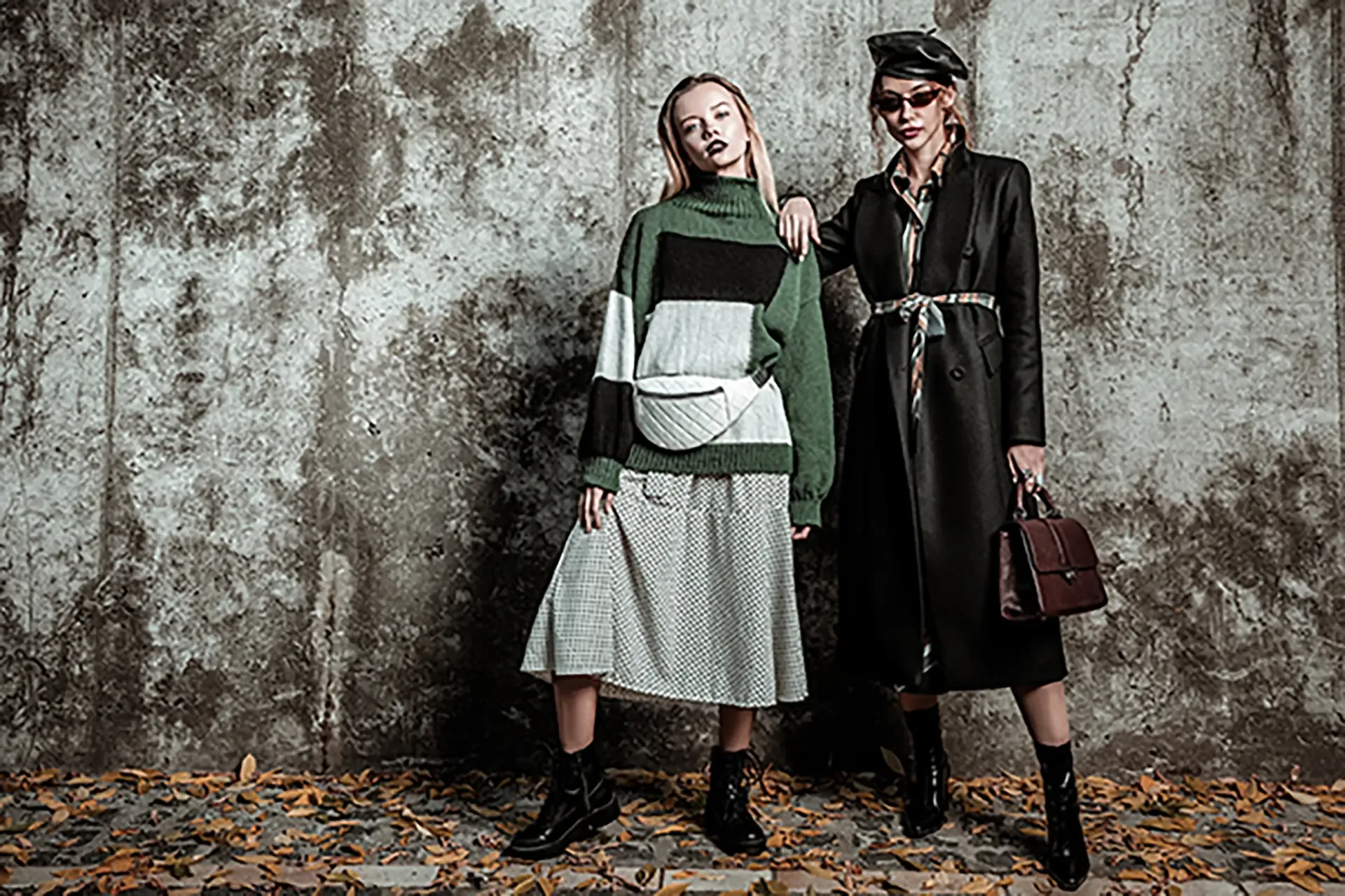
The clothes in our wardrobes are back in fashion. For some time now, a return to a 1980s and 1990s style has been evident in the collections of all the best-known brands.
The phenomenon is now well established: something more than a seasonal fad, and closer to a long-term style trend. We are talking about the return of a 1980s and 1990s style in the collections of all the best-known brands. Especially in fashion aimed at young people, who are once again wearing old, slightly baggy, high-waisted jeans and have added flannel shirts back into their everyday wardrobe.
The trend towards retro-inspired fashion has had an even bigger impact on the fashion industry than one might expect. When young people started wearing old flannels, shrunken sweatshirts, waistcoats and cardigans again, sales of these items in shops fell dramatically, in some cases dropping by more than 50%.
However, chains such as H&M and Zara have recorded record profits after embracing the new “retro-chic” clothing trend in their collections. Some analysts believe this is because their brands were already moving towards more tailored styles: they have therefore simply accelerated these designs, so as to attract the millennial and Gen Z market more quickly.
Show moreShow less
The return of the 1980s and 1990s can benefit the environment
It is well known that fashions always tend to come back, in a sort of cyclical pattern. From the skinny, low-rise trousers of the 2000s we have returned to 1990s mom jeans and flared trousers. Of course, it is not hard to find these clothes in shops, especially in the big chains: but for the environment, we can do better. Yes, indeed. The advantage of being able to peek into your parents’ old wardrobe and find old Levi’s, old sweatshirts and clothes that were fashionable at the time and are now back in vogue is a form of recycling and, in its own way, of circular economy.
And what if your parents’ sizes don’t fit? No problem: from apps that sell vintage clothes to second-hand shops, there is certainly no shortage of alternatives. In many Italian cities, outlets where you can buy clothes by the kilo are also multiplying: such as Vinokilo, the circular market for second-hand clothes sold by the kilo, which takes place in Turin in October.
Was it useful? Pass it on to someoneSharing an investigation is worth more than a like.