Impacts of glacier melt
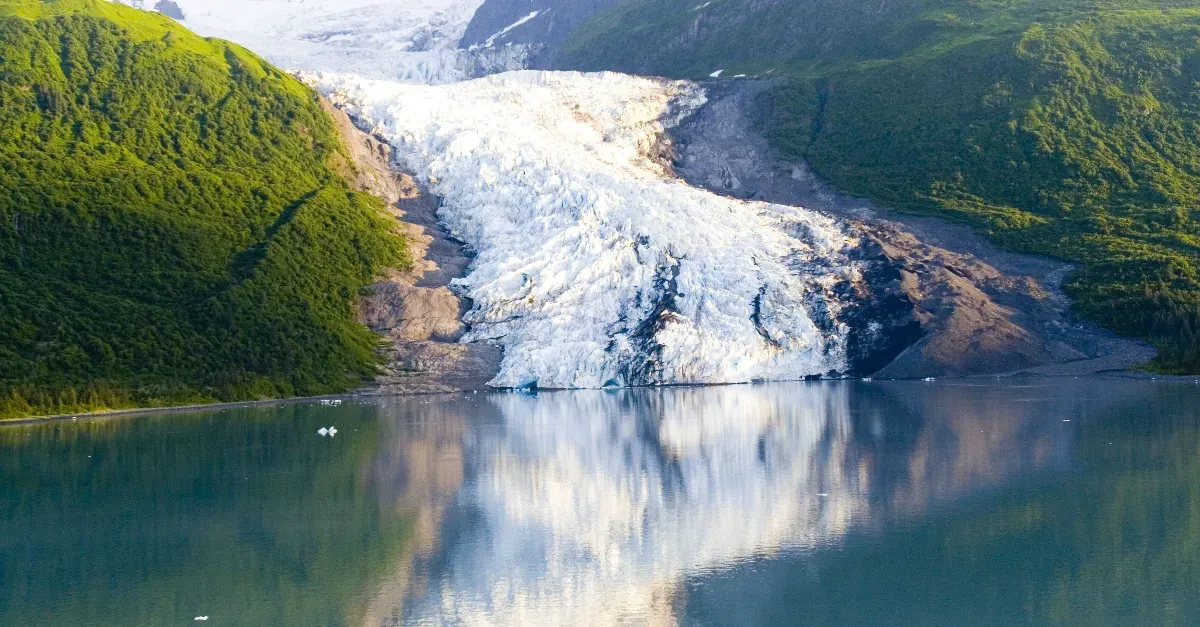
One of the greatest impacts is sea level rise. When glaciers melt, their water flows into the seas and rivers and raises the sea level. This can lead to flooding, coastal erosion, pollution and the destruction of marine habitats.
Furthermore, melting glaciers lead to a reduction in the availability of fresh water. Glaciers are an important source of fresh water for many people around the world. When glaciers melt, the availability of fresh water decreases. This can lead to droughts and water shortages, which affect agriculture, development and human health.
The disappearance of glaciers in the Alps
The disappearance of glaciers in the Alps is a particular concern. According to a 2018 study, the surface area of Alpine glaciers decreased by 50% between 1850 and 2018, and it is expected to continue to decrease at a rate of 4.5% by 2022. This means that by 2022 the Alps are expected to lose 10% of their glacier surface area.
Moreover, if we look beyond the European continent, a 2019 study found that over 50% of the glaciers in the mountains of Peru have undergone a significant decrease in mass and thickness over the past 40 years.
Sea level rise forecast to 2022
According to a 2018 study, sea level is expected to continue to rise at a rate of 3.2 mm per year until 2022. This means that by 2022 sea level is expected to have risen by around 32 mm. A sea level rise of 30 cm is forecast by 2050.
This rise in sea level will have a significant impact on people’s lives around the world. Floods could submerge coastal cities, destroying homes and causing the deaths of people and animals. In addition, a rise in sea level could destroy coastal communities, flood marine habitats and increase the salinity of fresh water, which could affect the ecosystem.
Alarming facts about glacier melt
There are several alarming facts about glacier melt. A 2019 study found that over 50% of the glaciers in the mountains of Peru have undergone a significant decrease in mass and thickness over the past 40 years. In addition, a 2020 study found that Greenland’s glaciers are melting faster than expected, with ice mass loss 277% faster than predicted.
These facts are alarming because they show that glacier melt is accelerating. This means that sea level will continue to rise faster than expected, and that the impacts on the ecosystem, industry, economic development and human health will be more severe and more rapid than expected.
What can we do to stop the disappearance of glaciers?
To stop the disappearance of glaciers, greenhouse gas emissions and deforestation must be reduced. Greenhouse gas emissions must be cut through greater energy efficiency, greater use of renewable energy and a reduction in activities that produce carbon dioxide, such as the burning of fossil fuels.
In addition, we must also reduce deforestation through the enforcement of strict laws, the use of forest conservation techniques, the reduction of forest exploitation and the promotion of reforestation programmes.