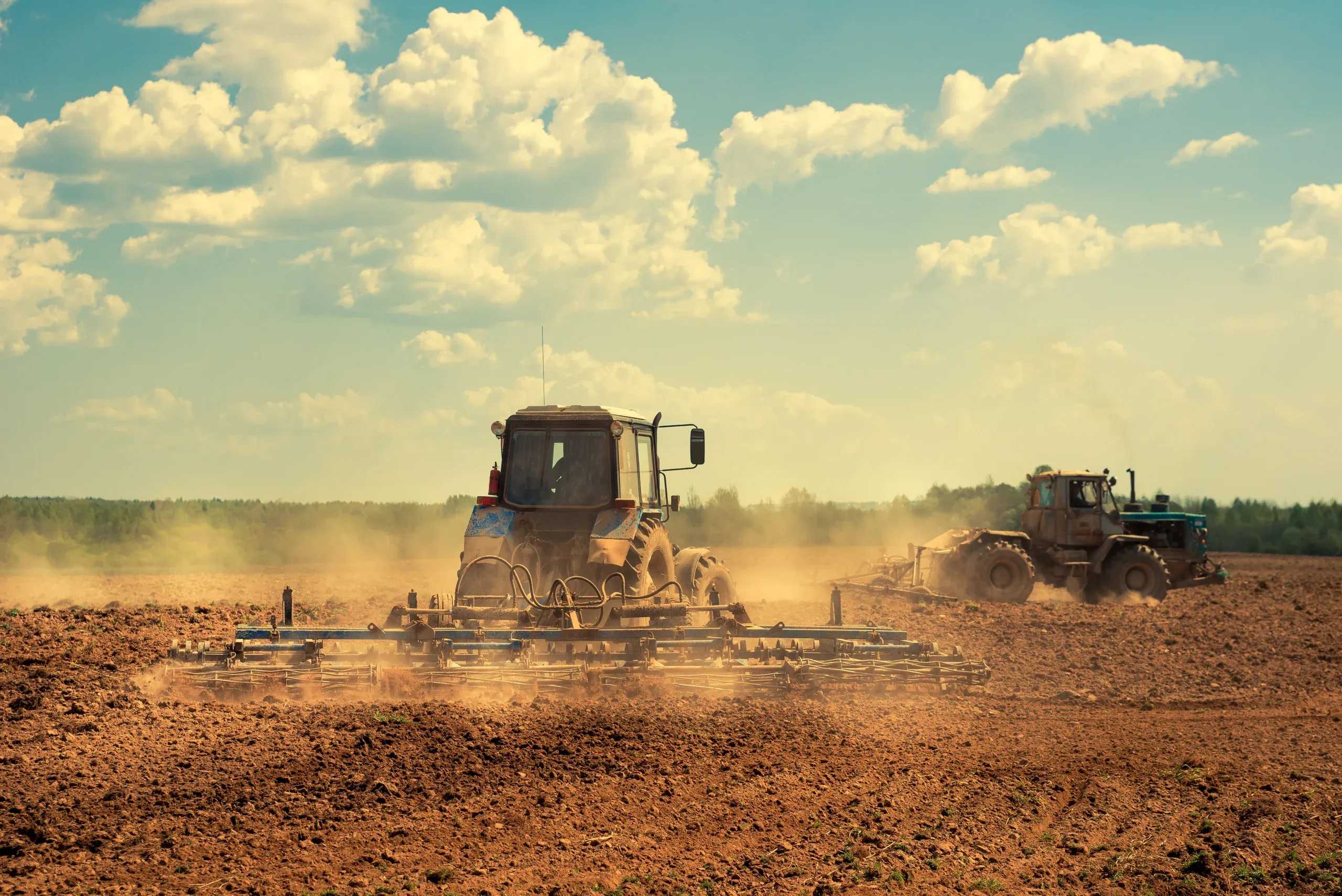
Reducing pesticides is one of these guidelines. Pesticides are chemical or biological substances used to protect crops and food from destruction caused by insects, diseases, weeds and other harmful organisms. They are widely used in agriculture to increase crop yields and protect harvests from pest attacks. They are used to kill harmful insects and fungal infections, to eliminate weeds, to control rodents and to control nematodes, which are small parasitic worms, among other things.
It is understandable how strategic their use is for farmers, but the potential risks associated with it must also be considered.
Some pesticides, or their excessive or improper use, can expose consumers to harmful chemicals. They can contaminate groundwater and surface water, damage biodiversity and have adverse effects on ecosystems. The effect of pesticides on pollinators, in particular bees and other pollinating insects, is a matter of growing concern worldwide.
Pollinators play a fundamental role in the ecosystem as a whole, since they promote the fertilisation of plants through pollination, which allows fruits and seeds to form. Bees, for example, are among the best-known and most important pollinators.
These effects can also be sublethal: although they remain alive, pollinators in fact lose their functional capacity. Pesticides cause the loss of the ability to navigate, of memory, of the ability to gather food and, in some cases, of reproduction. The use of pesticides also affects flowers, reducing the quality and quantity of pollen.
For this reason, to mitigate the effects of pesticides on pollinators, measures have been proposed such as reducing the use of pesticides, choosing pesticides that are less harmful to pollinating insects, adopting more sustainable farming practices and promoting suitable habitats and food for pollinators in agricultural areas. Protecting pollinators is essential to ensure the health of ecosystems and global food security.
However, the sudden reduction of pesticides has effects on farmers’ finances, and they are protesting. We recall, for example, the demonstration in France in 2023 against the decision of the Court of Justice of the European Union to ban exemptions to the application of pesticides because of the killing of bees. The government complied, eliminating any exemption, and this was enough to bring farmers, especially sugar beet growers, onto the streets. In this case, it meant giving up neonicotinoids.
The complaints across Europe continue in 2024 as well. Farmers complain that they cannot sustain their businesses because the prices of their products are too low, but also because of the rules imposed by the EU which, according to the farmers, would call into question the immediate survival of farms in exchange for a future benefit.
Reducing pesticides entails changing paradigms that have been established in the farming world for decades. To avoid them, it is necessary to select crops that are more resistant to diseases and insects, rotate crops with the benefit of reducing the build-up of pests, use biological control with predatory insects or antagonistic organisms, use compost and manure instead of chemical fertilisers, cover the soil and practise mulching to reduce weed growth, and adopt precision agriculture.
It is clear that all this requires an effort, considerable in some cases, from farmers. This effort is usually greater the smaller the farm. We recall that, according to the 2022 Cesiagri report, the average size of an Italian farm is 11 hectares, a size that does not always allow economies of scale sufficient to maintain profitability.
Organic farming, which is desirable and supported in the Farm to Fork (F2F) strategies, can have positive economic as well as environmental effects for some products, but it can be much more complicated, with immediate negative economic effects, for others. For this reason, government intervention is needed to facilitate and support change in a spirit of sustainability.
Organic farming, which is encouraged and supported by the Farm to Fork (F2F) strategies, can bring economic benefits and environmental improvements for certain types of products. However, the transition to organic farming can be complex and could have unfavourable short-term economic consequences for other products.
For the shift to organic farming to be feasible and less burdensome for farmers, it is essential that the government intervene with effective support measures. This may include financial incentives, subsidies, tax breaks or direct payments that help cover the initial costs of the transition and offset potential losses of income.
In addition, training programmes and technical assistance can be crucial in helping farmers adopt new techniques that respect the principles of organic and sustainable farming.
Promoting policies that increase demand for organic products, thus guaranteeing a larger and more stable market for farmers who commit to this path, could be, in part, a solution to product prices that are too low.
Consumers can influence market choices by turning towards environmentally friendly products at the expense of those that are not.