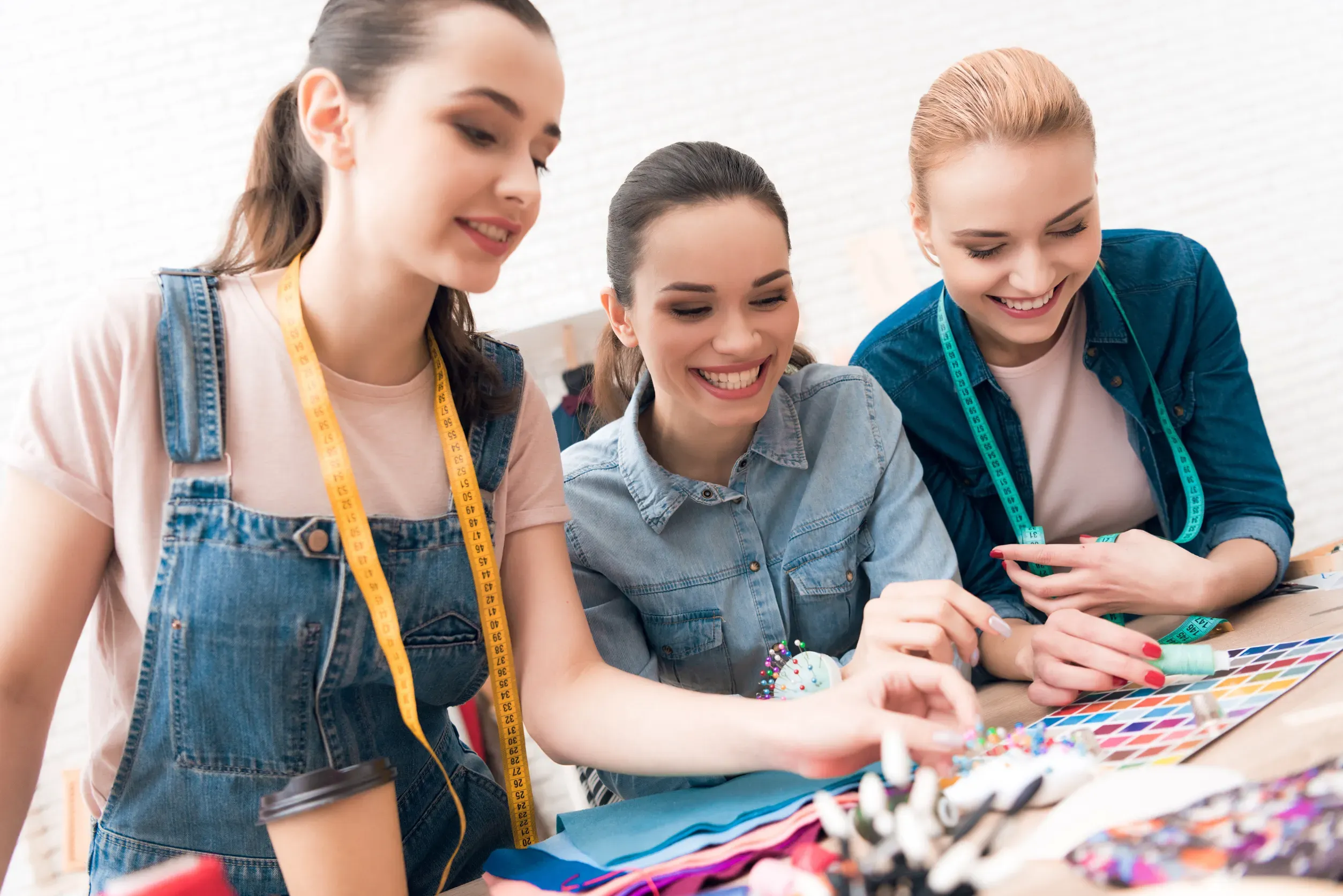
By concentrating on a specific task, we move away from daily worries and reduce stress. This state of “flow”, in which the outside world seems to fade away, can have a calming effect on the mind. The satisfaction of completing a project with our own hands can also boost our self-esteem and personal wellbeing, giving us a sense of achievement and control.
But above all, sewing at home is a fun activity. With a needle, some thread and a little fabric, the creative possibilities are endless. Young people experiment with patchwork made from recycled fabrics, turn old clothes into new creations and bring unique accessories to life. In a world where everyone is trying to stand out, sewing offers an excellent way to personalise your own style. From simple hand embroidery on backpacks and jackets to entirely homemade clothes, every stitch is an expression of individuality and creativity.
Sewing stimulates the mind and fires the imagination. For young people and others alike, often immersed in structured academic settings, sewing becomes an exercise in expressive freedom. It is an activity that requires patience, precision and creative vision. There is no limit to what can be created with a little practice: from fashion to home accessories, sewing becomes a vehicle for turning your ideas into tangible reality.
This activity, let us call it domestic, now meets technology: online tutorials, fashion design apps, virtual communities of enthusiasts and marketplaces for sustainable materials are just some of the tools young people use to bring new life to this ancient practice. Technology not only makes learning easier but also helps people share and sell their creations, giving rise to a genuine youth-driven circular economy. It is, in a way, a 2.0 version of the learning that young women received from their grandmothers or mothers before the internet age.
The growing interest in this activity is also fuelling an educational movement. Schools and universities are beginning to include textile courses among their extracurricular offerings, while workshops and co-working spaces provide the resources to experiment and learn. Sewing has become not just a hobby, but a skill that enriches young people’s CVs, also offering career opportunities in design and crafts.
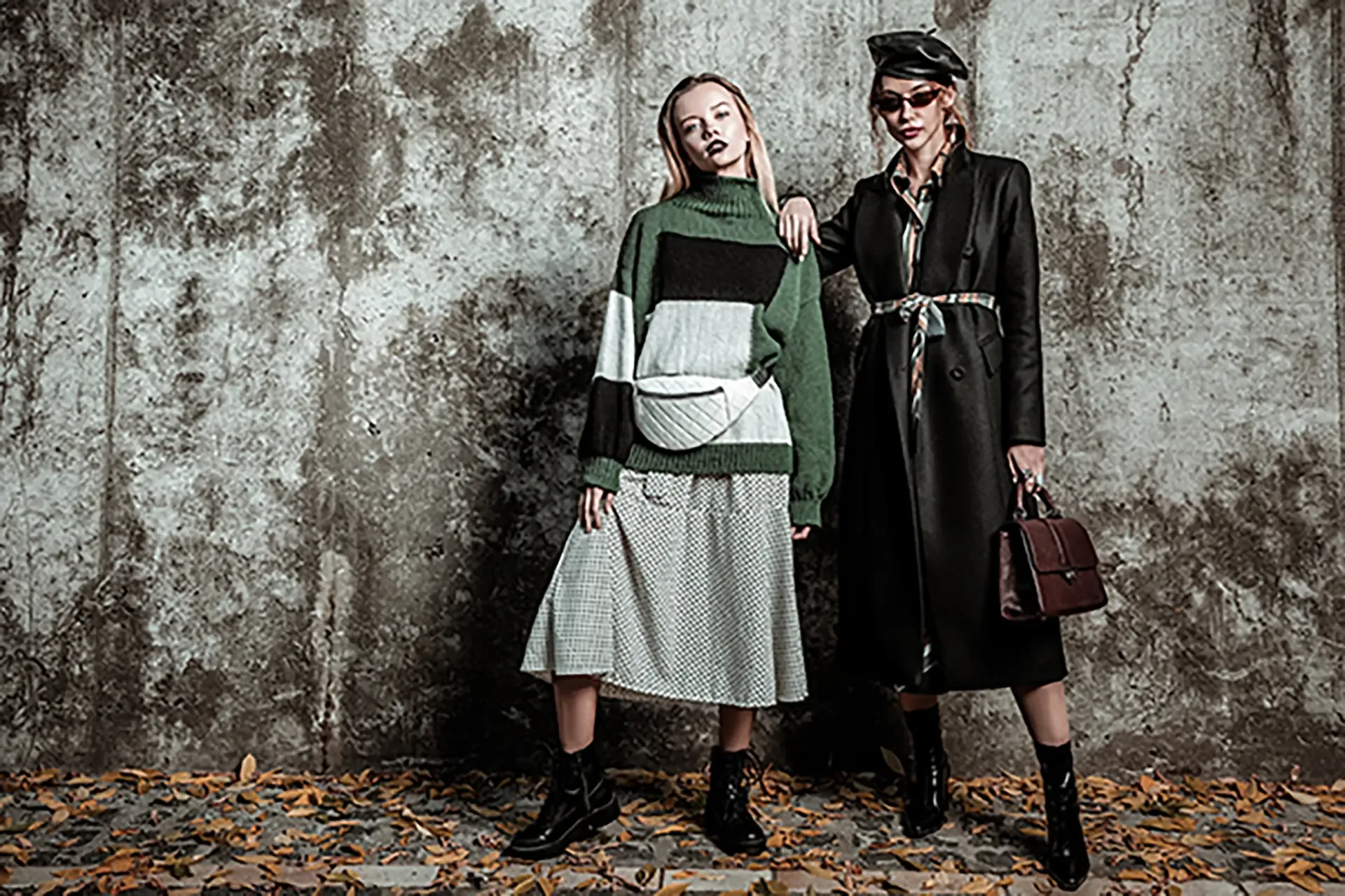
Sewing at home is also an ethical and sustainable choice. In the age of fast fashion and mass consumption, making or altering your own clothes at home is seen by some as an act of resistance. Eco-conscious youngsters are discovering the value of “less is more”, preferring quality to quantity and handmade to mass-produced. Repairing, renewing and recycling become acts of social responsibility, reducing one’s environmental impact.
In the era of Generation Z, picking up a needle and thread therefore goes beyond a simple pastime; it becomes a manifesto of independence, a step towards a more conscious tomorrow and a tribute to the deep meaning of manual craftsmanship. Sewing is not just a trendy hobby, but an authentic link with tradition, enriched by concrete examples of success both in Italy and abroad.
In Italy, for example, a movement of young craftspeople has developed that is bringing back ancient sewing techniques through the production of made-to-measure tailored garments and urban sewing workshops, while online platforms encourage the practice of mending and creative upcycling. Internationally, initiatives such as “Fashion Revolution Day” are multiplying, raising awareness of the importance of asking “who made my clothes?”, promoting transparency in the supply chain and valuing local craftsmanship. The link in this article refers to the Italian page.