Faced with this menu of bold challenges, the reality of the summit has shown quite a few problems from the outset.
Starting with the choice of host country, which has no small influence on the course of a COP (as has been seen before).
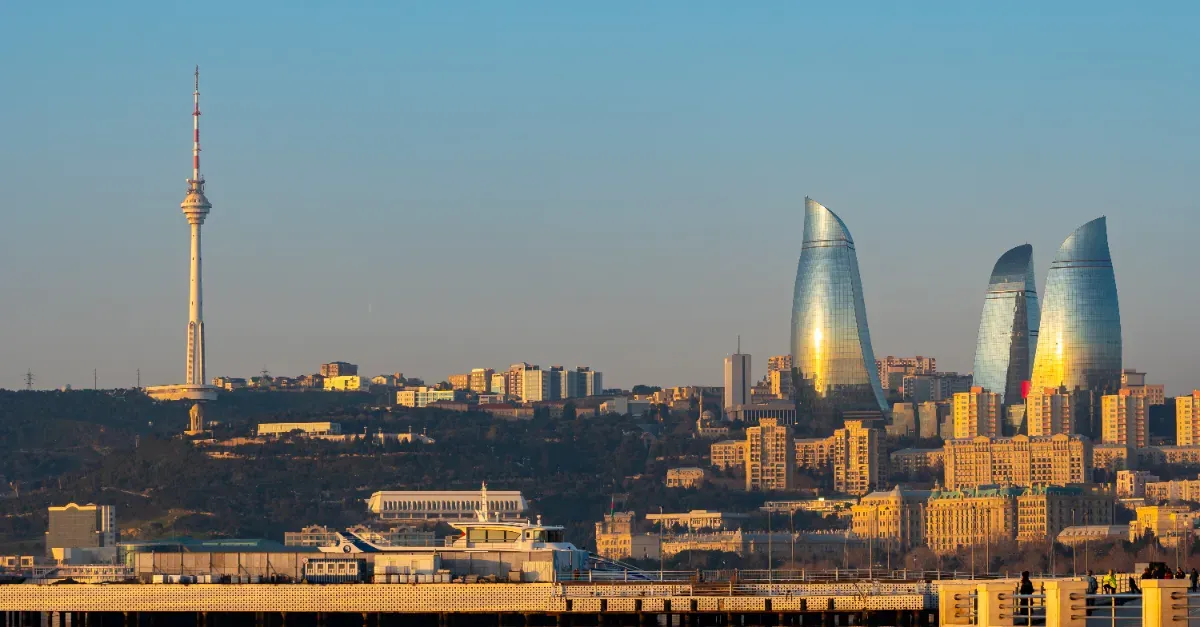
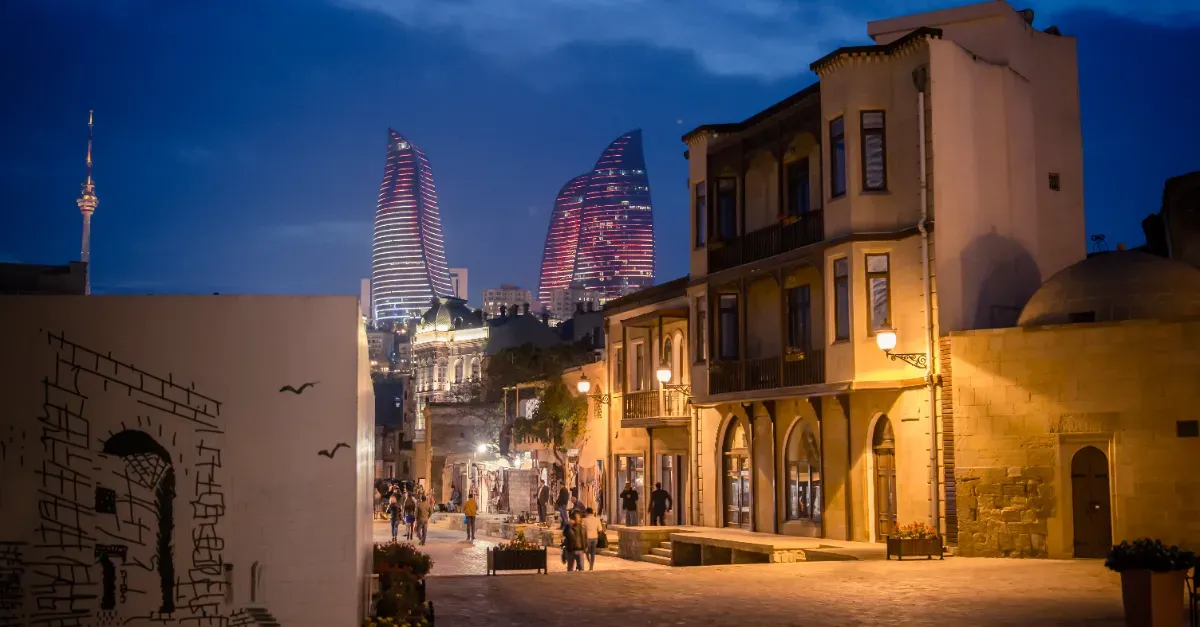
Did Azerbaijan choose to host COP29 to improve its international image, undermined by corruption and human rights violations?
And could its role as a major oil and gas producer influence the ‘direction’ the proceedings take, avoiding as far as possible a focus on the transition away from fossil fuels and concentrating instead on topics such as energy storage or the reduction of methane emissions?
A second problem: the notable absences, which stand out clearly from day one. The President of the United States (for a little while longer), Joe Biden, is missing, and it is hard not to agree with that decision, given the announcements of a 180-degree change of course by the new Trump 2 administration (as in: what are we here for? thought Joe).
But German Chancellor Olaf Scholz is also missing; he has quite a few problems at home and is almost a caretaker. So is French President Emmanuel Macron, for less clear reasons.
Another problem: the COP is turning into a catwalk for world stars from various disciplines and fields, who have swooped down on Baku on their private jets, filling the air with carbon emissions. What, for example, is Ronaldinho doing at COP29?
This last point is less of a curiosity than it seems. It has to do with the fact that the COPs, despite their declared intention to combat the fossil fuel lobby (or perhaps precisely because of it), are an unmissable event for fossil fuel lobbyists themselves.
From COP26 in Scotland (503 lobbyists) to the one in Egypt and, of course, the COP in Qatar, the number of declared lobbyists has grown out of all proportion, reaching 2,400 and more.
Curious, isn’t it? In the very place where the end of oil and gas as fuel is supposed to be decreed. It is a bit like having the devils set the table at an All Saints’ convention in Paradise…
But let us see what is being discussed in these first few days (it runs until 22 November).
Climate finance, as mentioned. The discussion centres on defining a new global financing arrangement for developing countries in adapting to climate change.
Since COPs exist precisely to set concrete goals, there has been talk of a target of at least one trillion dollars a year (a thousand billion) to give significant help to developing countries. The total estimated cost of reaching climate goals worldwide, meanwhile, has swollen, according to estimates, to the not inconsiderable figure of 6,500 billion dollars a year on average until 2030. All very ambitious, especially with a Trump administration on the horizon that will surely be delighted to open the purse strings for this.
Adaptation and resilience to climate change. New and effective strategies must be found, above all for the most vulnerable nations. At this COP29 the drama being lived by the small island states emerged right away. For them time has run out: the climate apocalypse has already begun.
In conclusion, the experts’ impression is that what will be truly decisive at this COP29 is the role played by the classic ‘stone guest’. And who could that be if not Xi Jinping’s China?
Xi will not show up at the summit, but he has sent his delegate for climate issues, Liu Zhenmin. With what mandate, one wonders?
That of finding an understanding between the Asian giant and Europe, one hopes. According to those working in the sector, this seems to be the real crux, even more than the feared Trump presidency in the USA.
‘The USA has never led the transition, and would not have done so even with Harris and the Democrats,’ many argue. ‘Europe’s relationship with Beijing, since Europe is and remains the leader of change, is the fundamental one.’
Indeed, thinking in geopolitical terms (as far as that is possible for us ordinary mortals), a policy of American tariffs against the rest of the world, and so first and foremost against China and Europe, could push the two lovers spurned by Donald to weave a new and closer economic and commercial flirtation.
In short, the money would be there, and in any case it can be found (as has always happened in emergencies). What is needed is the will of at least two or more main players to spend it. We shall see.