Late autumn days, when the sky is cloudless, turn into afternoons not to be missed for their serenity and the delicacy of their colours, from bright red to green fading into the cobalt blue of the evening.
As I finish my daily walk, made even better today by an outdoor temperature that makes everything almost ideal – were it not for that persistent, penetrating smell of polluted lowland air, which relentlessly accompanies me at every step – I stop to look at, or rather to contemplate, a vast, irregular expanse of white wings and tails resting on a field on the outskirts.
The sight is truly beautiful. The irregular movements, almost vibrations, of the flock of white birds on the withered green of the rough meadow – crossed by the usual lowland power line – have something soothing for the soul.
They are like a fragment of a mosaic, a fleeting episode of nature, in a territory – that of the Emilian countryside, or what remains of it – that has managed to preserve little or nothing of its “natural environment”, hiding behind the false alibi of the “great road” (the Via Emilia) which has supposedly always favoured and attracted, with its linear presence, human settlement, building, the civilisation of men and machines.
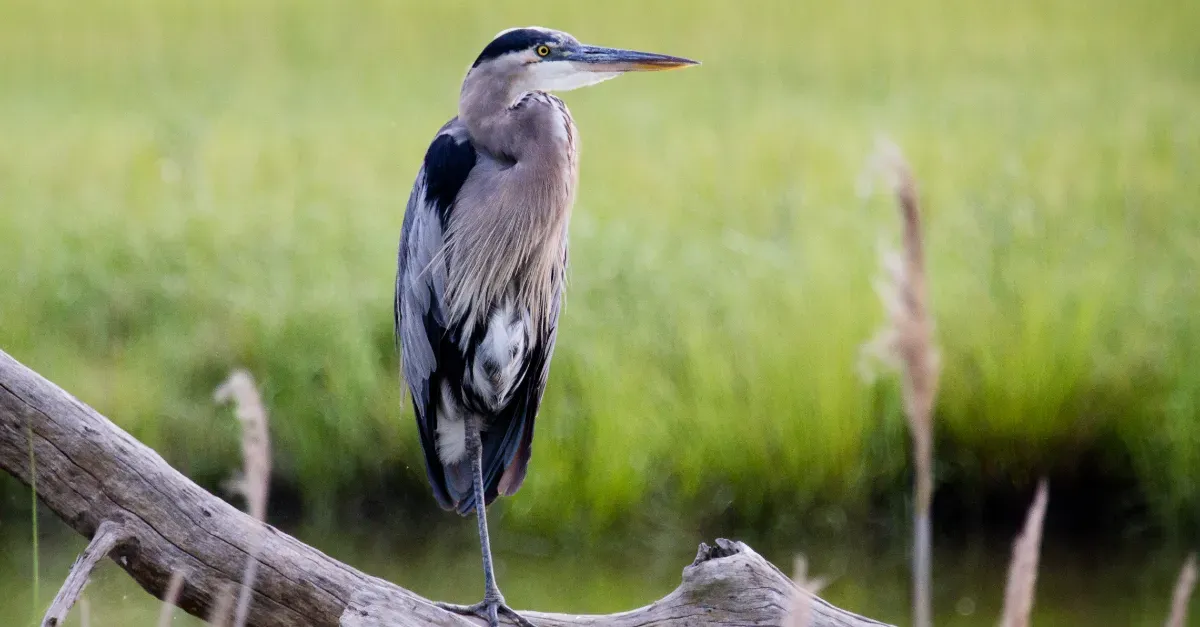
That white, jagged cloud is made of herons, I believe I am not mistaken. Cattle egrets. At least those I think I can recognise: they have accompanied me, accompanied us – we lowland dwellers with a few decades behind us – since childhood. Almost a characteristic element of the natural landscape, together with the drainage canals, their banks, and the poplar groves that until a few years ago you could still see rising between two cultivated fields, just outside the towns. And which now, I don’t know why, have almost all disappeared; not to mention the rows of trees: those, uprooted long ago, you can only see in some old film like The Spider’s Stratagem.