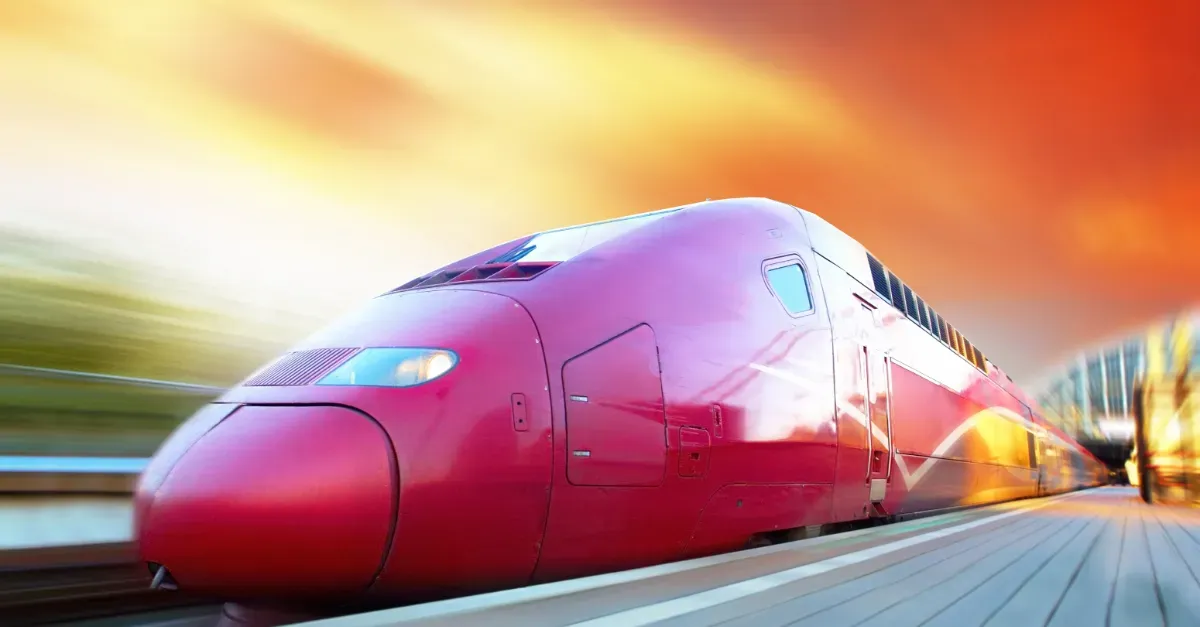
The air conditioning on board worked efficiently, creating a pleasantly cool environment for the passengers. He sat down on one of the comfortable seats as the tram moved silently along the tracks, and through the wide panoramic windows he watched a landscape that had changed greatly since his childhood. The tram, as usual, was almost empty. More and more colleagues had been working from home for years now, and many tasks were delegated to artificial intelligence and robotic systems, so no human presence was needed.
Marco was a psychologist working in a psychological support centre specialising in problems linked to climate change. His presence and his work had become essential because of the growing psychological impact of extreme events, natural disasters and families separated by the great migrations. He met patients seeking help to deal with eco-anxiety, which was by now extremely widespread.
He had developed special skills in providing emotional and psychological support to deal with these problems. He helped his patients manage their stress, process grief over their losses and find ways to help people adapt to a constantly changing world.
Every day at work, he strove to provide the support that people desperately needed. He was aware of the importance of his profession at a time when mental wellbeing was being sorely tested by the catastrophes of climate change. As the world faced new challenges, Marco’s role as a psychologist had become ever more relevant in offering comfort and guidance to ordinary people trying to face an uncertain future.
During his lunch break, he searched in vain for fresh produce at a good price in the supermarket. The shelves were dominated by packaged and synthetic foods. Agricultural production had been devastated by the heat and the lack of water, and natural food had increasingly become a distant memory.
He went home exhausted after a day’s work. As he entered the flat, his home automation system automatically adjusted the indoor temperature to make it more bearable. It was November, but the heat was still intense, making every moment spent indoors a small relief.
He headed to the bathroom for a shower. His shower was a modern model, designed to conserve and use water efficiently. It worked with advanced technology that vaporised the water into tiny particles and spread them evenly over his skin. It was an innovative way of saving water, since the water supply had become more and more limited.
As he stood under the shower, he felt the tiny droplets of vaporised water raining down on him. It was a different experience from the showers of the past, when water flowed abundant and hot. There was no longer the relaxing sound of falling water, but rather a sensation of moisture and freshness as the water vapour enveloped him.
He remembered with nostalgia the summers of his childhood, when he could play under a summer shower or take a swim in a cool lake. Today, water was a precious commodity, and every drop had been optimised for efficient use. Despite the lack of “real” water, Marco still appreciated that brief moment of refreshment and cleanliness. It was a luxury that many could not afford, and he knew he had to appreciate it as he watched the vaporised droplets slide away, carrying off with them the fatigue and the heat of the day.
He switched on his holographic system and was immediately immersed in a stream of worrying news. The images were as shocking as ever: millions of people around the world had been forced to leave their homes because of rising sea levels, prolonged droughts, catastrophic floods and changes in agriculture. Coastal cities had been submerged, and natural resources had become ever scarcer.
The holographic screens showed images of families abandoning their homes, seeking refuge in safer places. Cities all over the world were crowded with displaced people, and the problem of migration had become an enormous global challenge.
He could see the endless lines of people waiting to be taken to temporary reception camps or to other countries that had offered asylum. Governments were struggling to manage the influx of climate refugees, and the situation had become increasingly complex. The news told heart-wrenching stories of entire communities forced to leave their ancestral lands because of ever more extreme climate conditions.
The migration crisis had led to geopolitical and social tensions, with conflicts and disputes over the distribution of resources and the reception of refugees. Marco felt overwhelmed by the vision of a world in which mass migrations had become commonplace and had already displaced a billion and a half people.
He decided to prepare dinner, opened the fridge and found few fresh products, such as lettuce grown in a hydroponic greenhouse and some genetically modified vegetables able to withstand extreme climate conditions, a luxury he had been able to afford thanks to an extraordinary discount campaign by the supermarket, aimed only at its most loyal customers.
He made himself a simple but nutritious dinner. His menu included a soup based on plant proteins and a bread made with insect flour, which had become a source of essential protein in a world where meat, despite mass farming, had become rare. His meal was completed by a small portion of freeze-dried fruit, an occasional luxury.
He remembered the days when vegetables and food were thrown away.
As he got ready for bed, he felt a sense of tiredness and frustration at the challenges the world was facing. He was exhausted by the daily struggle against the oppressive heat, the scarcity of resources and the disturbing news that surrounded him. Before falling asleep, his thoughts turned to his parents, a painful memory that had deeply marked his life.
It was a devastating flood, one of many, that had taken them away. Marco had been a helpless witness as the water flooded their home, sweeping away everything they had built together. The image of their frightened faces as they were carried off by the currents was still vivid in his mind. Marco feels affection and gratitude towards his parents, who raised him to respect the values of love, responsibility and care for others.
They had done their best to face the challenges of the first signs of climate change. On the other hand, however, he could not help wondering whether his parents and their generation had done enough when there was still time to avoid such a difficult future. He wondered whether they had understood the urgency of the climate crisis, and whether they had acted with the determination needed to protect the planet for future generations.
This reflection had brought him to a clear realisation: he himself would do more for future generations. He had internalised the lesson of the past and had decided that he would leave nothing untried to mitigate the effects of climate change and to try to reverse the destructive course the planet was on. This was the promise Marco had made himself: to fight with all his strength to contribute to a more sustainable and resilient world. Now, however, as he turned off the light, a sudden thought came to his mind, and it nearly took his breath away. What if it was too late?