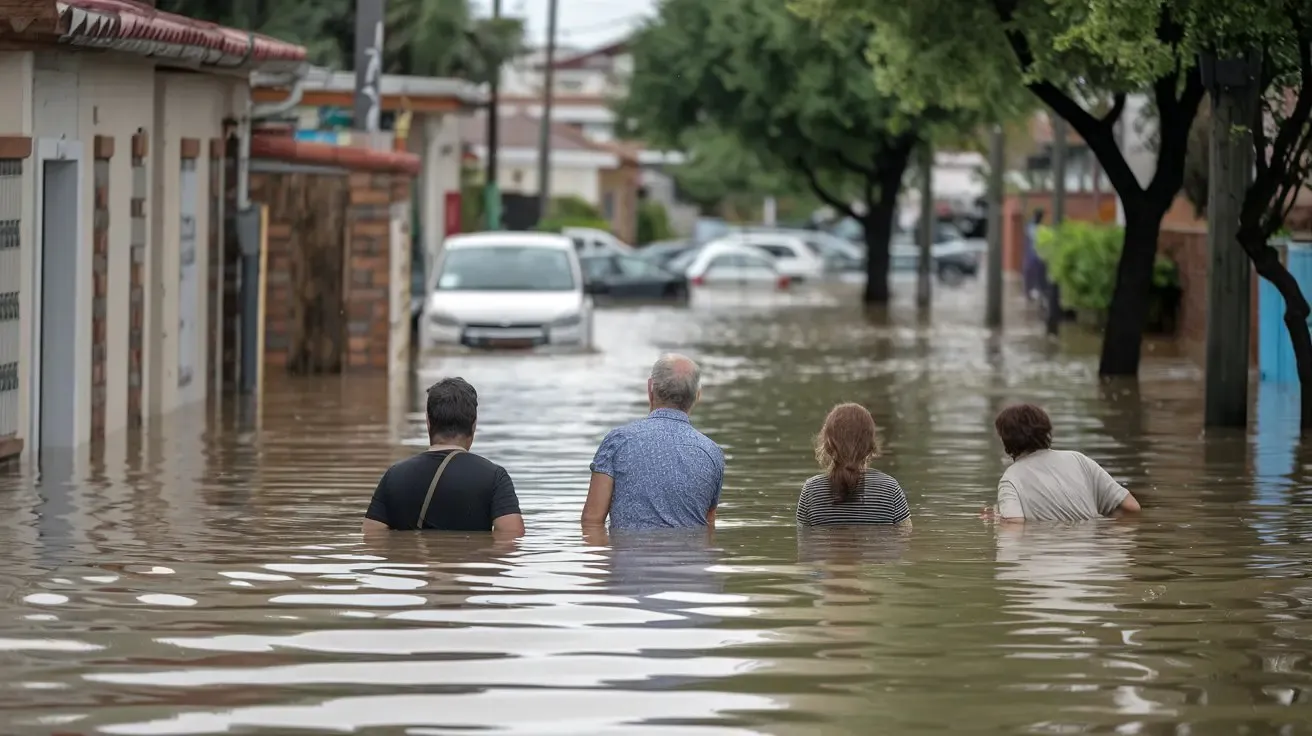
The intervention of the Unidad Militar de Emergencias (UME) has been crucial. More than 1,000 soldiers have been deployed in the provinces of Alicante, Valencia, Murcia and Almería to assist with rescue operations, evacuate residents and help in areas that are hard to reach because of flooded roads. Together with Civil Protection teams and firefighters, the soldiers are using amphibious vehicles and helicopters to bring trapped residents to safety, some of whom have taken refuge on the roofs of their homes.
Devastating damage and losses
Images of the devastation show towns submerged by water and entire neighbourhoods destroyed. Vehicles swept away by the currents, severed power lines and thousands of uninhabitable homes paint a picture of destruction reminiscent of events typical of other regions of the world, hit by increasingly extreme weather. The economic toll of the disaster will be high: besides the damage to homes and infrastructure, farmland, a vital source of livelihood for many local communities, has been seriously damaged, with fields completely flooded and crops destroyed.
The “gota fría” phenomenon is not new in Spain, but the intensity of this wave of rain has raised the alarm about the frequency and severity of the weather events striking the Mediterranean. With climate change, phenomena of this kind seem set to become more frequent and more severe, raising concerns about the country’s ability to handle such events in future. Even before this wave began, scientists and authorities had warned of the increase in extreme weather events in Spain and of the need to adopt preventive measures to protect the population.
The role of solidarity and institutional support
The emergency has also highlighted the resilience of local communities and the solidarity of the Spanish people. Local organisations and volunteers have mobilised to support displaced people and provide essential aid. Several cities, including Madrid, have sent vehicles to ease the movement of rescuers and evacuees. The public transport network has been reorganised to facilitate travel in the affected areas, and donations of essential goods from citizens and businesses are helping to support the rescue operations.
Pedro Sánchez has said that the government is ready to allocate emergency funds and has asked Parliament to consider declaring a “zona catastrófica” for the worst-hit areas. This will speed up state aid and make it easier to restore infrastructure and homes. In the meantime, the affected communities rely on mutual support and on the hope that aid will arrive in time to face the difficult weeks and months ahead.
Towards climate resilience
The tragedy of these past hours also raises profound questions about the need for more robust climate policies and adaptation plans for infrastructure. In a Spain vulnerable to extreme events, climate change is no longer just a future risk but a tangible reality that manifests itself in events like those of recent days. Experts are drawing attention to the need to invest in prevention systems, resilient infrastructure and public awareness to prepare for a future in which such events could become the norm rather than the exception.
This flood could mark a turning point in awareness and in climate resilience strategies in Spain, to cope with a future in which “gotas frías” and other extreme events will be increasingly frequent.