Today is monday 9 november 2026
Webzine of ecological news

Lifestyles · Travel

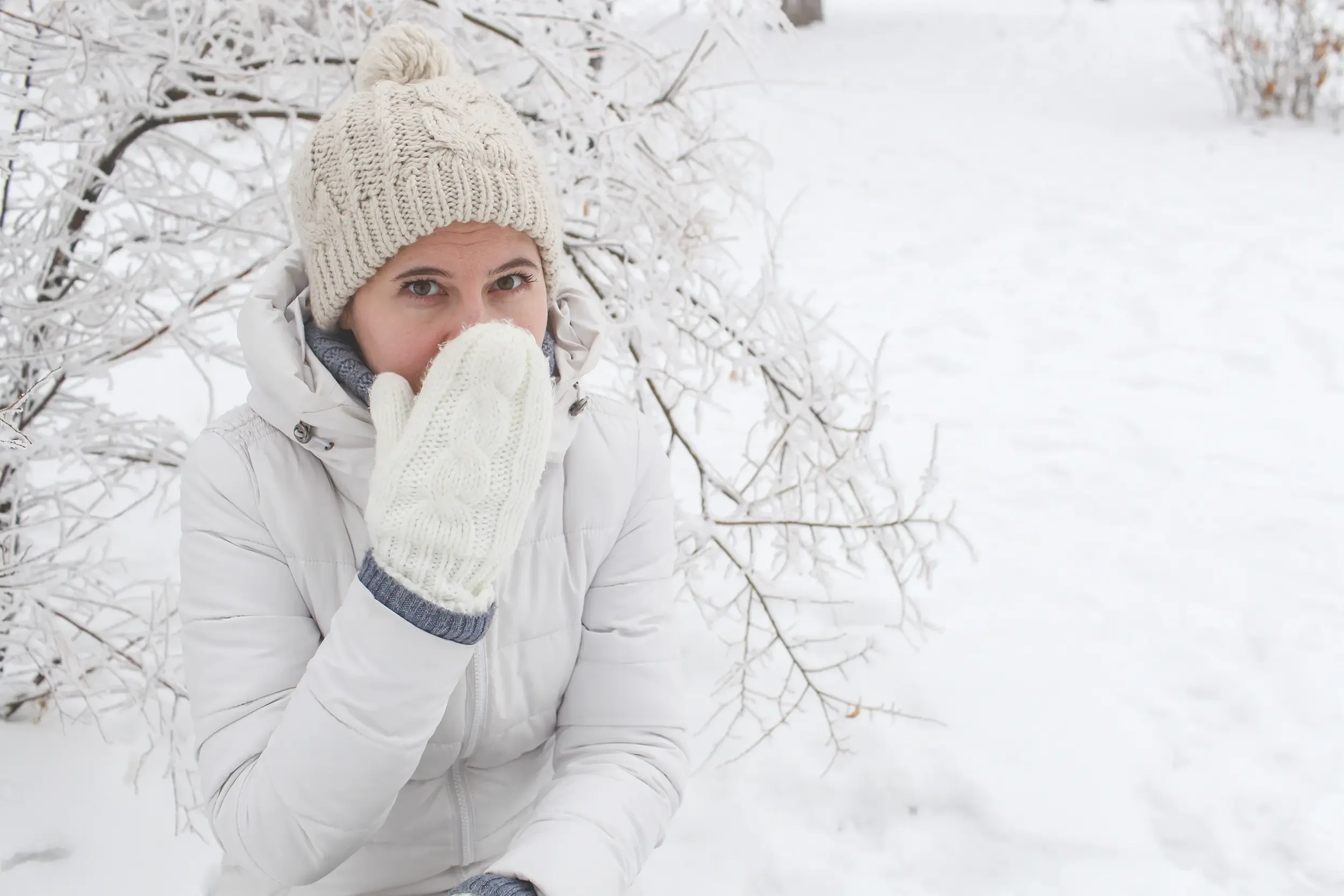
What are the coldest cities in Italy? Let’s discover 5

In Italy there are cities that often drop below zero in winter: discover 5 places where the biting cold has become an opportunity, turning hardship into traditions and success.

image by :[elteq5] © 123RF.com
  • LIVIGNO
  • DOBBIACO
  • CORTINA D'AMPEZZO
  • VIPITENO
  • BRUNICO

Climate change is undeniably altering the winter temperatures of our planet, but there are still places in the Bel Paese where the thermometer regularly drops below zero, creating enchanted landscapes and lifestyles shaped by intense cold. These coldest cities in Italy, which we have selected, have developed a particular resilience over time, turning the hardships caused by the harsh cold into unique opportunities and traditions.

LIVIGNO

Livigno, in the province of Sondrio, earns first place among the coldest cities in Italy. Known as ‘Little Tibet’ because of its position at 1,816 metres above sea level, it is one of the highest mountain towns in Italy and covers around 227.3 km². This Alpine gem records temperatures that can fall as low as -30°C.

Its inhabitants, who today number just over 6,700, have developed an almost symbiotic relationship with the cold, turning snow into a tourist resource. It is not unusual to see the people of Livigno getting around on skis for their daily errands, while children practically grow up with snow boots on their feet. This mountain has given birth to famous ski champions, such as Daniela Zini, among the first women to achieve significant results at the Sarajevo Olympics, and the ski champion Giorgio Rocca, who, although not born in Livigno, grew up right here.
Show more Show less

DOBBIACO

Dobbiaco, in South Tyrol, follows close behind. This small town in the Val Pusteria, framed by the Dolomites, is known for its glacial temperatures, which can reach -25°C. The inhabitants have developed a distinctive architecture, with houses fitted with double glazing and state-of-the-art heating systems that use renewable energy. Gustav Mahler composed some of his most celebrated symphonies here. It is well known that in his little house, where he did not want to be disturbed by anyone, he wrote his last masterpieces, such as Das Lied von der Erde and the Ninth Symphony, probably finding inspiration in the muffled silence of the winter snowfalls.

CORTINA D'AMPEZZO

In third place we find Cortina d'Ampezzo, the ‘Queen of the Dolomites’. Its fashionable fame is undimmed by the great cold: the town faces very harsh winters with temperatures that frequently fall below -20°C. The people of Ampezzo have developed an economy perfectly adapted to the climate: from heated shops, which become social meeting points, to illuminated ski slopes, which allow sport even during the short winter days. Ernest Hemingway, who stayed here several times in the 1940s, becoming a regular presence in the town, described Cortina’s cold as ‘a silent companion that sharpens the senses’.

VIPITENO

Vipiteno, also in South Tyrol, takes fourth place. The medieval town, with its perfectly preserved historic centre, faces temperatures that can reach -22°C. The inhabitants have developed a system of covered passageways linking the main buildings, making it possible to get around sheltered from the intense cold. The ancient tradition of Christmas markets takes on a special meaning here, with mulled wine and local specialities helping to fight the cold.

BRUNICO

Closing the top 5 is Brunico, gem of the Val Pusteria, where the thermometer can read -20°C. The town has turned the cold into a cultural opportunity: the Winter Festival attracts visitors from all over Europe, while the inhabitants have developed a particular sense of community, organising social events in the stube, the typical heated rooms of traditional farmhouses. This town gave birth to the biathlon champion Dorothea Wierer, who grew up and trained in the harsh climate of these areas.

The intense cold in these cities is not just a climatic condition, but has become an integral part of local identity, shaping architecture, traditions and lifestyles. In an age of global warming, these places remind us how adapting to extreme climate conditions can generate rich and resilient cultures, where the cold is not an enemy to be fought, but an element to live with in harmony.

shoulder3

Machine translation

Rispettiamo la tua privacy

Usando questo sito, noi e i fornitori terzi indicati nelle preferenze possiamo utilizzare cookie e tecnologie simili per i seguenti scopi:

  • Necessari: Funzioni di base: sicurezza, sessione e memorizzazione delle tue scelte.
  • Servizi esterni: Contenuti incorporati di terze parti, come i video. Si caricano solo se li autorizzi: a quel punto il fornitore riceve il tuo indirizzo IP e può usare cookie propri.

Solo i cookie necessari sono attivi senza consenso. Alcuni fornitori possono trasferire dati fuori dall'UE. Puoi modificare le scelte in qualsiasi momento dal collegamento «Modifica privacy» in fondo alla pagina; chiudendo con la X continui con i soli cookie necessari.

Personalizza