Types of monsoon
The winter monsoon is a hot, dry wind that blows from the Sahara Desert towards Western Europe and North Africa. The summer monsoon is a humid current from the sea that blows from the Gulf of Guinea towards West Africa.
There are also other types of monsoon in other parts of the world. The South Asian monsoon is one of the most important. It blows from the Indian Ocean towards India, Bangladesh, South-East Asia and some parts of China. Other monsoon areas include the Gulf of Guinea, the Gulf of Mexico, the coasts of Venezuela, Australia, Somalia and, in Europe, the Iberian Peninsula and even some areas of northern Russia.
How monsoons affect the weather
Monsoons have a significant impact on the climate of the regions where they blow. They can change air temperatures, atmospheric humidity, rainfall and atmospheric pressure.
In general, summer monsoons bring rain and warmer temperatures, while winter monsoons bring colder, drier temperatures. Monsoons can also affect the frequency and intensity of storms, tornadoes and tropical cyclones.
Factors that influence the monsoon season
Several factors influence the monsoon season. The main one is the position of the Sun relative to the Earth.
When the sun’s rays fall on a region for a longer period of time, the air temperature in that region rises, causing a change in atmospheric pressure. This change in atmospheric pressure can push currents of warm air towards colder areas, creating a monsoon.
Other factors that influence the monsoon season include ocean temperature, the topography of the Earth, the presence of high altitudes and the influence of monsoon winds in the region.
The monsoon season in tropical regions
Tropical regions are particularly vulnerable to monsoons. Most tropical regions depend largely on these winds for irrigation and drinking water.
In tropical regions, the monsoon season can last from two to six months. During this period, regions may be subject to torrential rain, flooding, hurricanes, sandstorms and other extreme weather events.
Monsoons and flooding
Flooding is one of the greatest risks associated with monsoons. Torrential rain can cause flooding in many parts of the world, often coinciding with developing countries. Floods can destroy crops, damage property and cause the death of people and animals.
The severity of flooding can be reduced through preventive measures: warning systems, tree planting, construction of containment barriers and use of drainage technologies.
Monsoons and drought
While monsoons can cause flooding in some regions, they can also cause drought in others. Many tropical regions depend on monsoons for irrigation. When monsoons are not strong enough, crops can dry out and die.
Rural populations and indigenous communities are particularly vulnerable to droughts caused by monsoons. In these communities, water scarcity can cause malnutrition, disease and reduced income.
Monsoons and climate change
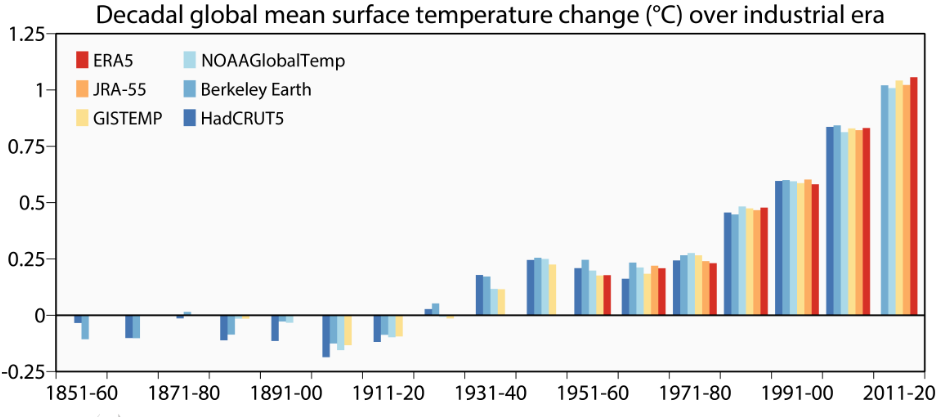
Climate change is having an impact on monsoons around the world. Some studies have shown that climate change can alter the air currents that generate monsoons, bringing heavier rain to some regions and longer droughts to others.
Climate change can also increase the frequency and intensity of the storms, tornadoes and tropical cyclones associated with monsoons. This can increase the risk of flooding and other extreme weather events.
How to prepare for monsoons
Because monsoons can cause serious harm to health and property, it is important to be prepared. One of the most important things to do is to make sure you have an emergency plan for the monsoon season. The plan should include the preventive measures we have outlined above: chiefly the construction of embankments, drainage and flood warning systems.
Communities must also make sure they have enough food and drinking water for the monsoon season, so as to avert the risk of running short and being unable to obtain supplies.