Today is monday 9 november 2026
Webzine of ecological news

News and current affairs · Plans for the environment

The Nature restoration law has passed. What it means, in brief

Although it has been weakened by amendments that dilute its objectives, the law was approved by a majority in which some European ‘popular’ MEPs voted against their own political group’s directive.

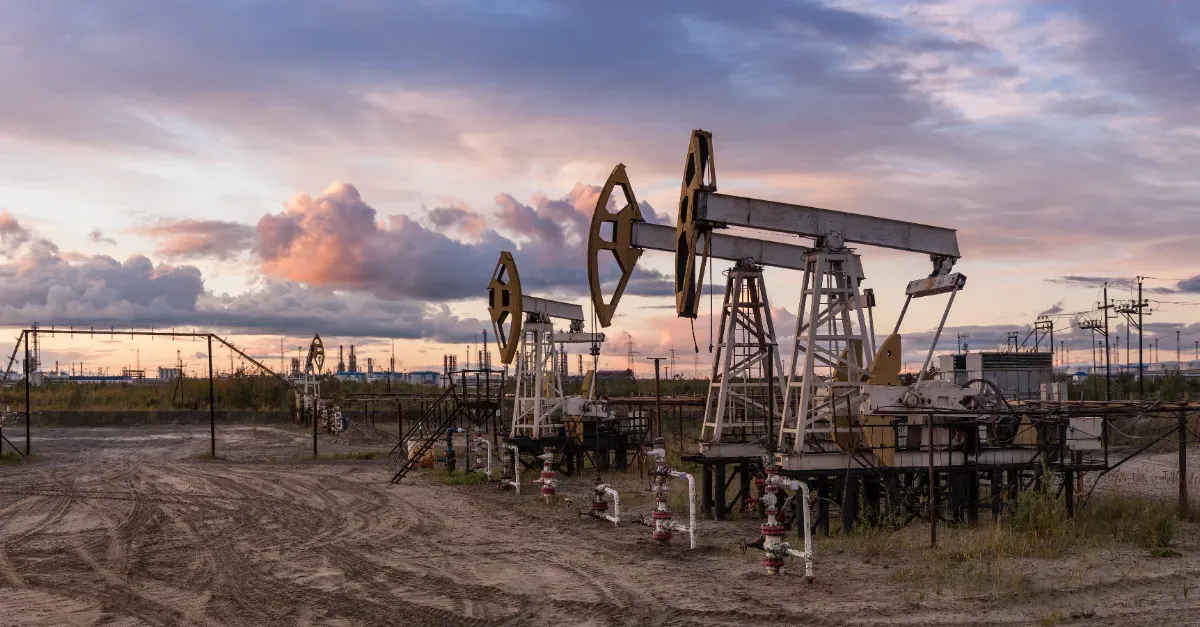
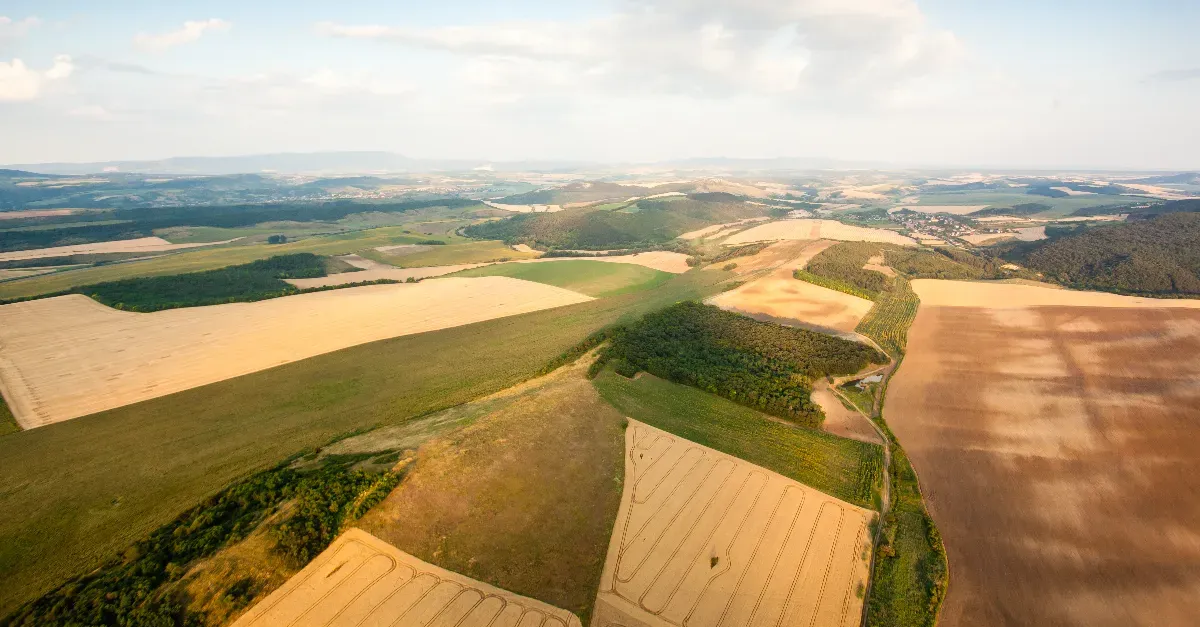
[csakisti] © 123RF.com

Nature restoration law: 336 votes in favour, 300 against and 13 abstentions. This is the result of the vote in the European Parliament in Strasbourg on 12 July, which is causing bitter debate among the political parties and some productive sectors and their representative associations (agriculture above all).
In essence, the motion to reject the Nature restoration law has been defeated. The much contested (but also widely called for) law aims to restore 20% of the European Union’s land and sea areas by 2030.

A few clarifications are necessary, however. First of all, the process leading to the application of the law is not over and will continue in the autumn. Secondly, compared with the original framework, the proposal has undergone numerous changes, and several amendments have been accepted and introduced. One of them, moreover, is very important for the agricultural sector.

The guidelines of the law are: 1) to restore 20% of land and sea areas so as to halt the loss of biodiversity by 2030, then extending the same action to all ecosystems in need of restoration by 2050. 2) To reduce the use of chemical pesticides by 50% by 2030. 3) To increase protected areas. 4) To step up action to save pollinators. 4) To halt the loss of urban green spaces and reduce it to zero by 2030, then increase them by 5% by 2050.


Show more Show less

And also: setting a minimum of 10% tree cover in every city; re-wetting drained peatlands; increasing biodiversity on farmland; restoring habitats on the sea floor; removing river barriers to free 25,000 kilometres of rivers – the latter measure being considered necessary to prevent flood disasters.

To achieve these objectives, each member state will have to draw up a national restoration plan and provide precise reporting on what has been done. According to the promoters of the law, the investment in restoring the environment, certainly substantial, will bring between eight and 38 euros in benefits for every euro spent.

But the law has not passed as it was originally conceived

We mentioned the amendments that passed at the vote, and which changed some important aspects of the law.

As the WWF explains, ‘The European Parliament adopted the amendment based on the Council’s general approach (approved on 20 June with Italy, Austria, Belgium, Finland, the Netherlands, Poland and Sweden voting against, and characterised by greater gradualness and flexibility, editor’s note), which has already significantly weakened the level of ambition of the proposed law, in particular as regards the restoration targets for the marine environment, peatlands and forests, and which deleted the article on access to justice’.

But the most significant aspect, which is not adequately highlighted in the current controversy, concerns the most detested provision, which has in effect been scrapped: namely ‘the article that would have restored nature on agricultural land, including peatlands, giving up an essential element for increasing Europe’s capacity to sequester carbon, and ignoring that in Europe today it is precisely intensive agriculture – which depends on synthetic chemicals and simplifies agro-ecosystems – that is the leading cause of biodiversity loss’.

Machine translation

We respect your privacy

When you use this site, we and the third-party providers listed in the preferences may use cookies and similar technologies for the following purposes:

  • Necessary: Core functions: security, session and storing your choices.
  • External services: Embedded third-party content such as videos. It only loads if you allow it: the provider then receives your IP address and may set cookies of its own.

Only necessary cookies are active without consent. Some providers may transfer data outside the EU. You can change your choices at any time from the «Privacy settings» link at the bottom of the page; closing with the X continues with necessary cookies only.

Customise