Tai Chi: origins, benefits and relationship with the environment
Tai Chi, a Chinese martial art steeped in meditation and spirituality, has crossed centuries and borders, becoming a symbol of wellbeing and harmony. Born amid ancient Chinese legends and philosophies, this elegant ballet of slow movements has been shown to offer tangible benefits for the m
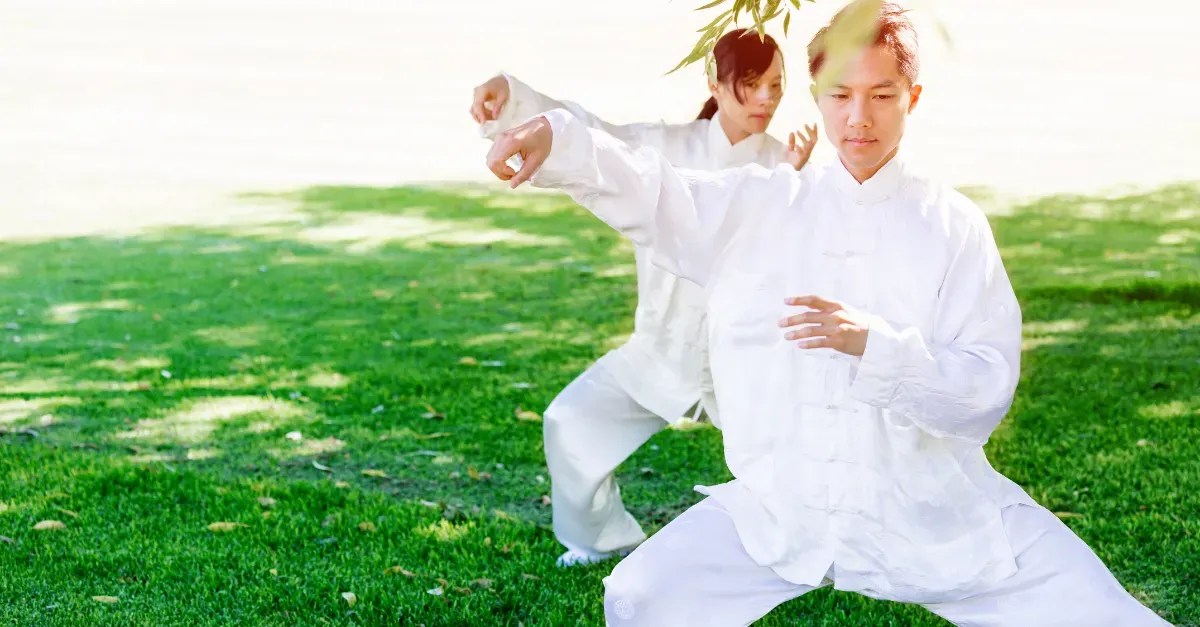
Tai Chi, also known as Taijiquan, is a form of Chinese martial art that has evolved over time as a meditative practice and for wellbeing. Characterised by slow, fluid movements, Tai Chi offers not only physical benefits, but also mental and spiritual ones.
It has ancient roots in China, where its origin is lost in legend. Some stories attribute its creation to Zhang Sanfeng, a Taoist monk who lived in the 12th century, while others trace its origins much earlier, linking it to the foundations of Taoism and the ancient concepts of Yin and Yang. The practice has undergone numerous modifications and diversifications over the centuries, leading to the creation of several styles, including the Yang, Wu and Chen styles, each of which has unique characteristics while retaining the essence of Tai Chi.
Regular practice of this discipline is associated with a range of benefits: it helps improve balance and coordination thanks to its fluid, controlled movements, which strengthen the stabilising muscles, and it has a relaxing, stress-reducing effect thanks to its meditative component. Although the movements are slow, constant practice tones and strengthens the muscles. It also helps promote better blood and lymphatic circulation and increase flexibility.
Show moreShow less
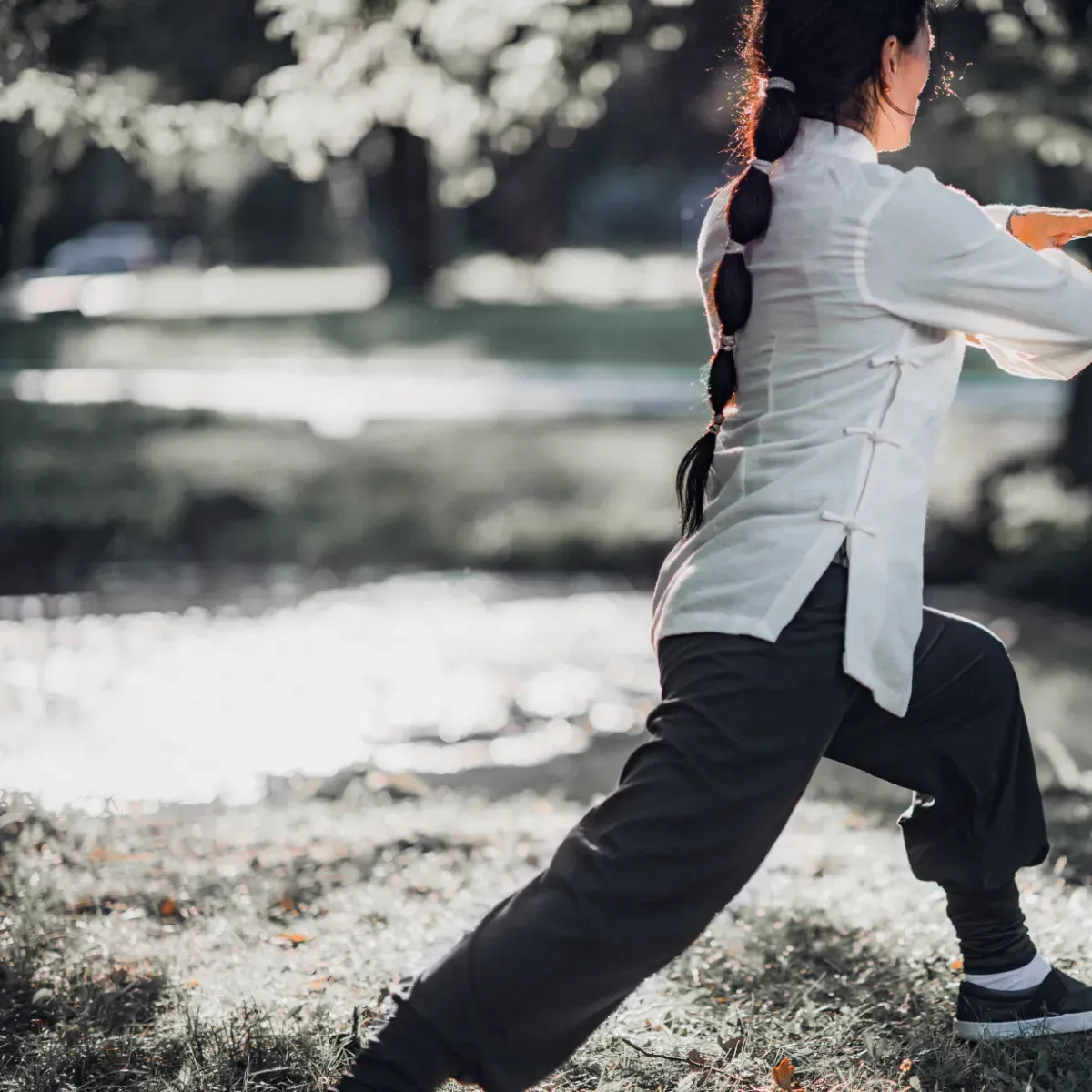
Tai Chi is closely linked to the surrounding environment; in fact, many people prefer to practise it outdoors, surrounded by nature, as this is believed to increase the connection with universal energy, or “Qi”. The harmony between the individual and the surrounding environment contributes to its relaxing and meditative effect.
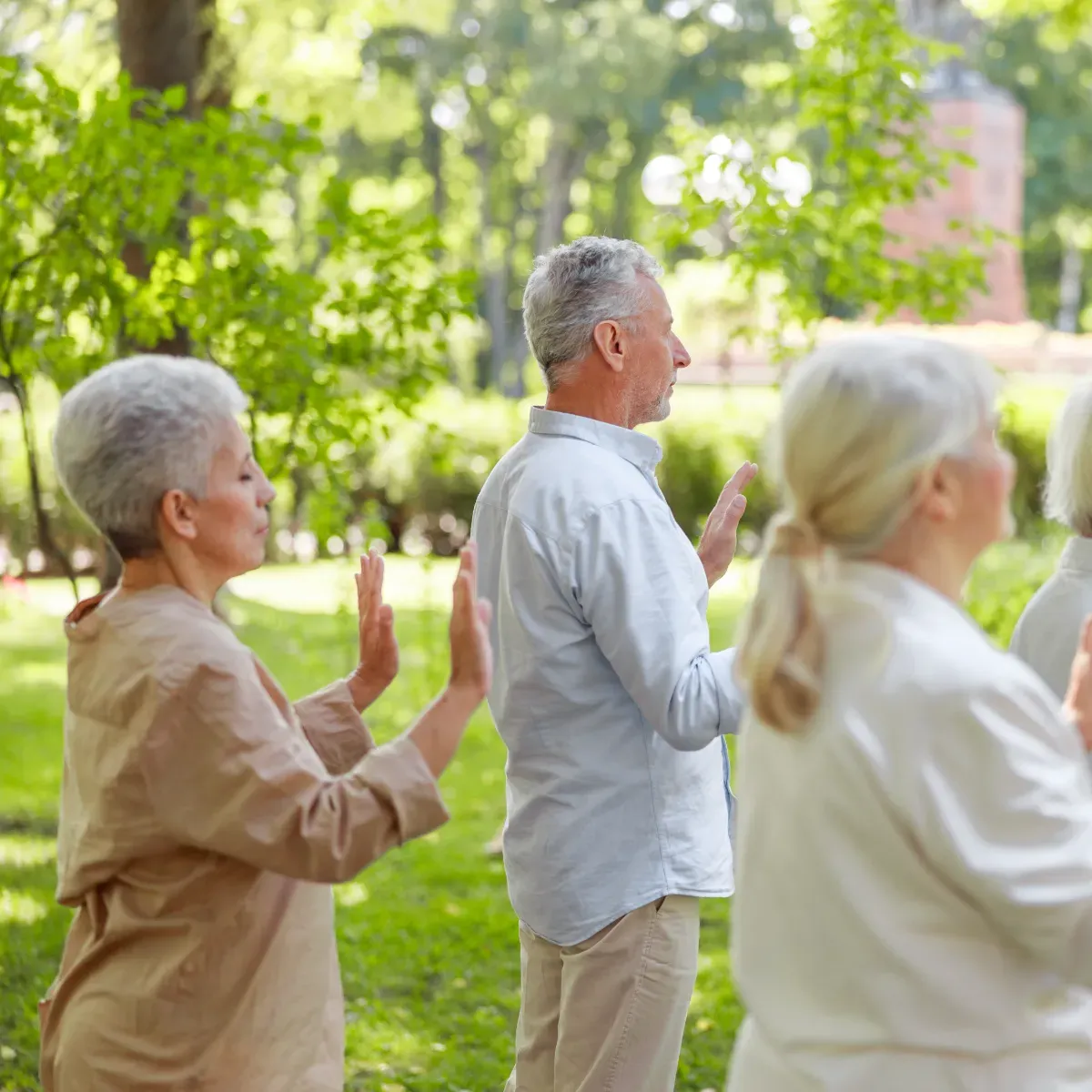
It is suitable for people of all ages and physical conditions, requires no special equipment and can be practised either individually or in a group. It is particularly popular among older people, since the gentle movements put no strain on the joints and help prevent falls by improving balance. Besides parks and specialist centres, Tai Chi is often taught in gyms, senior centres and wellness centres. With its growing popularity, numerous online resources, including videos and tutorials, are available for those who prefer to practise at home.
With its ancient roots and its numerous benefits, it offers a holistic approach to wellbeing. Its ability to connect body, mind and environment makes this practice unique, offering anyone a way to improve their health and find inner harmony.
Was it useful? Pass it on to someoneSharing an investigation is worth more than a like.