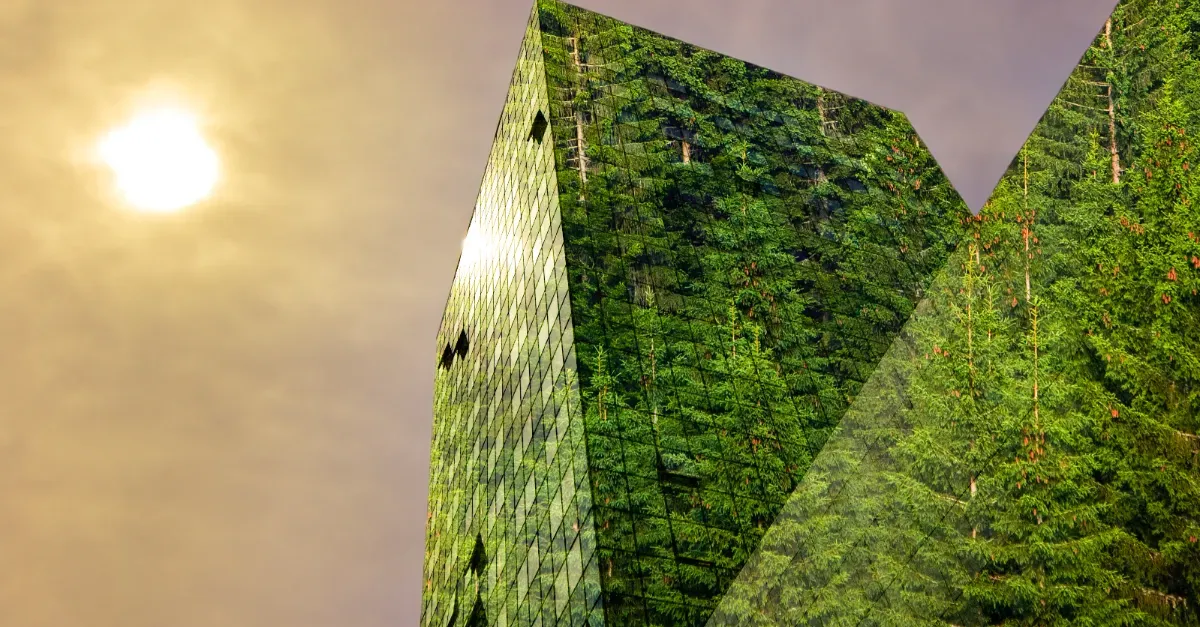
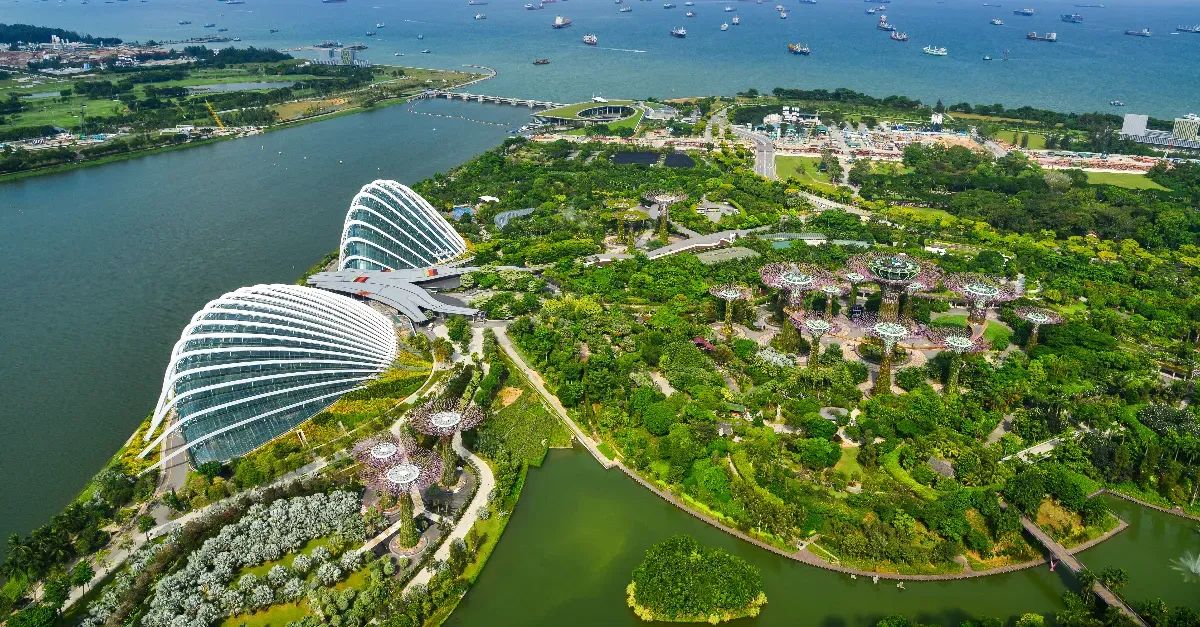
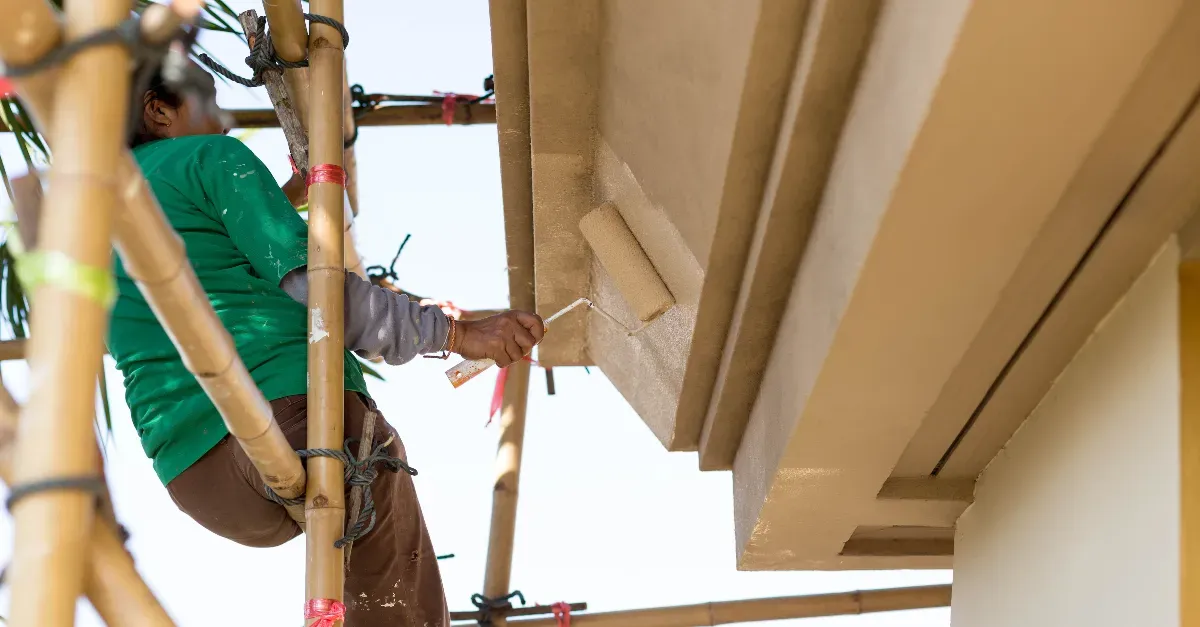
It is a concept that combines innovative technologies and materials with traditional practices, with the aim of creating buildings that are not only energy efficient but also in harmony with the surrounding environment.
Sustainable building considers every stage of the process carefully, from the choice of materials, preferably local, recyclable and with a low environmental impact, to the management of resources throughout the building’s entire life cycle, including water consumption and waste reduction.
What is a sustainable building?
A sustainable building is designed to minimise the consumption of energy, water and materials, both during construction and throughout its life cycle. Every aspect of the construction must be conceived to have a positive or neutral impact on the environment.
In practice, the need for objective guidance on construction methods has led to the creation of building design and certification protocols such as BREEAM, LEED and the Protocollo Itaca, which provide guidelines for protecting the environmental context, managing resources rationally and ensuring the well-being of occupants.
The techniques behind the construction concept
To achieve the desired result, numerous innovative technologies and methods are adopted with the aim of reducing waste and increasing efficiency. Here are the main ones:
- Eco-friendly materials: Choosing recyclable, low-impact or local materials, sourced not far from the building site, helps to reduce pollution and consumption. These materials should above all be free of toxic substances, which will also help to improve indoor air quality and create healthier living environments.
- Energy efficiency and insulation systems: Insulating roof packages achieve the goal in the traditional way, but there are also less ‘common’ solutions, certainly better suited to single dwellings, such as green roofs, which offer natural insulation. As for energy production, installing solar panels is among the most common solutions for cutting energy consumption. Combined, these systems make it possible to make the most of renewable resources and to reduce dependence on more polluting sources.
- Use of digital tools and BIM: Building Information Modelling (BIM) makes it possible to manage the building project in a digital simulation environment. Through data and analysis, processes can be optimised, waste reduced and the project’s sustainability improved.
- Resource recovery and saving: At the heart of sustainable building projects is recovery aimed at reuse. Installing rainwater harvesting systems and recycling greywater are extremely important solutions for rationalising the use of our most precious resource, water. The aim, therefore, is to reduce water consumption and improve its management.
Certifications and regulations in Italy and Europe
It is important to know, especially when contracting work out to third parties, that in Italy and in Europe there are several certifications that help to assess the sustainability of a building:
LEED (Leadership in Energy and Environmental Design) and BREEAM (Building Research Establishment Environmental Assessment Method), as already mentioned, are international certifications that take into account energy efficiency and environmental impact.
CasaClima and the Protocollo ITACA, both created in Italy, are standards for low-energy buildings and assess aspects such as energy consumption and the use of resources.
In general, European regulations, such as EU Directive 2018/844, aim to reduce emissions and improve energy efficiency, promoting buildings with a reduced environmental impact.
Benefits of sustainable building
We might ask ourselves why we should face greater difficulties and often above-average costs to build sustainably. In reality, a sustainable approach offers significant advantages on at least two levels:
Social and health-related: A sustainable building offers healthier spaces, thanks to the use of non-toxic materials and the optimisation of natural light. Making a significant contribution to protecting the environment through sustainable construction can be not only gratifying but also a real and concrete contribution from a social point of view.
Economic: The higher initial costs pay off over time. Reduced running costs, thanks to the efficient use of resources, and tangible savings in energy and water lower the running costs and often the maintenance costs of the property.
The place where you build matters too
However sustainable a building may be, it is essential that the chosen site can support its impact. The increasingly frequent floods make the issue of land consumption and soil permeability ever more relevant.
Putting up new buildings in areas that are already overloaded or ecologically fragile risks not only upsetting the balance of the territory but can also be dangerous.
Where to build becomes at least as important as construction techniques, if not more so. While the choice of building land is a planning matter for the authorities, sometimes we can choose properties to renovate. This choice might be more efficient in terms of environmental protection, although generally more expensive. For this reason, the practice could be encouraged, to the benefit of the territory too, through grants and tax incentives.