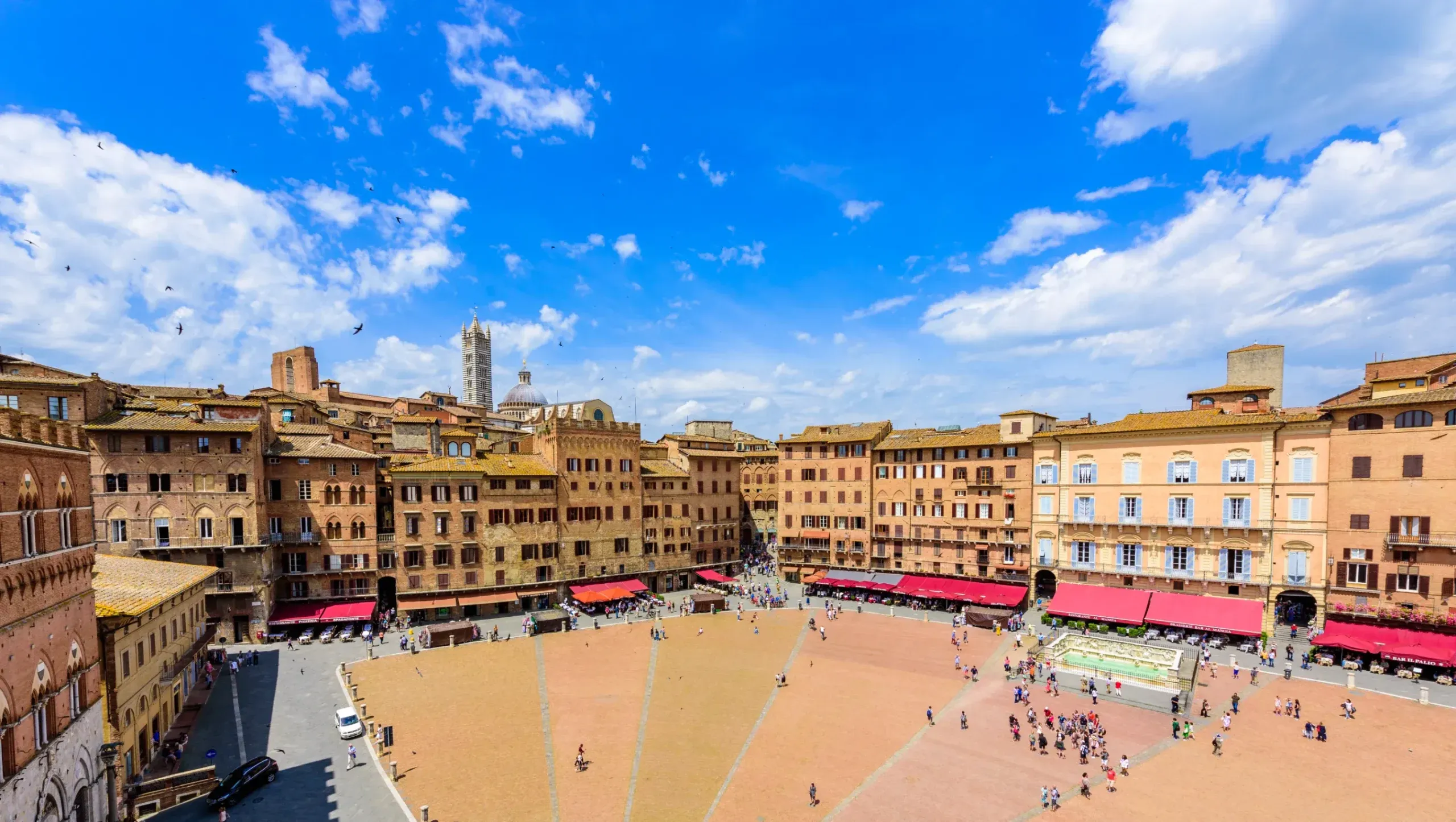
The beauty and richness of the town and its surroundings were, after all, already well known to travellers, thanks also to the inscription of the historic centre on UNESCO’s World Heritage List as far back as 1995. In Siena, tourism has always played a strategic role, accounting for a good slice of the local economy and helping to keep the city alive and active. Protecting and enhancing the city’s heritage, which is not only cultural but also environmental and intangible (one need only think of the historic tradition of the Palio), is indeed its lifeblood.
However, not all tourist destinations manage this in the best way, because, unfortunately, our historic centres often turn into playgrounds for travellers, places empty of meaning and full of stereotypes, where culture is trivialised and commodified. Siena’s skill, by contrast, has been to preserve its authenticity and traditions, mitigating the effects of tourism on the city and limiting its impact on the resident population, on the heritage and on the environment.
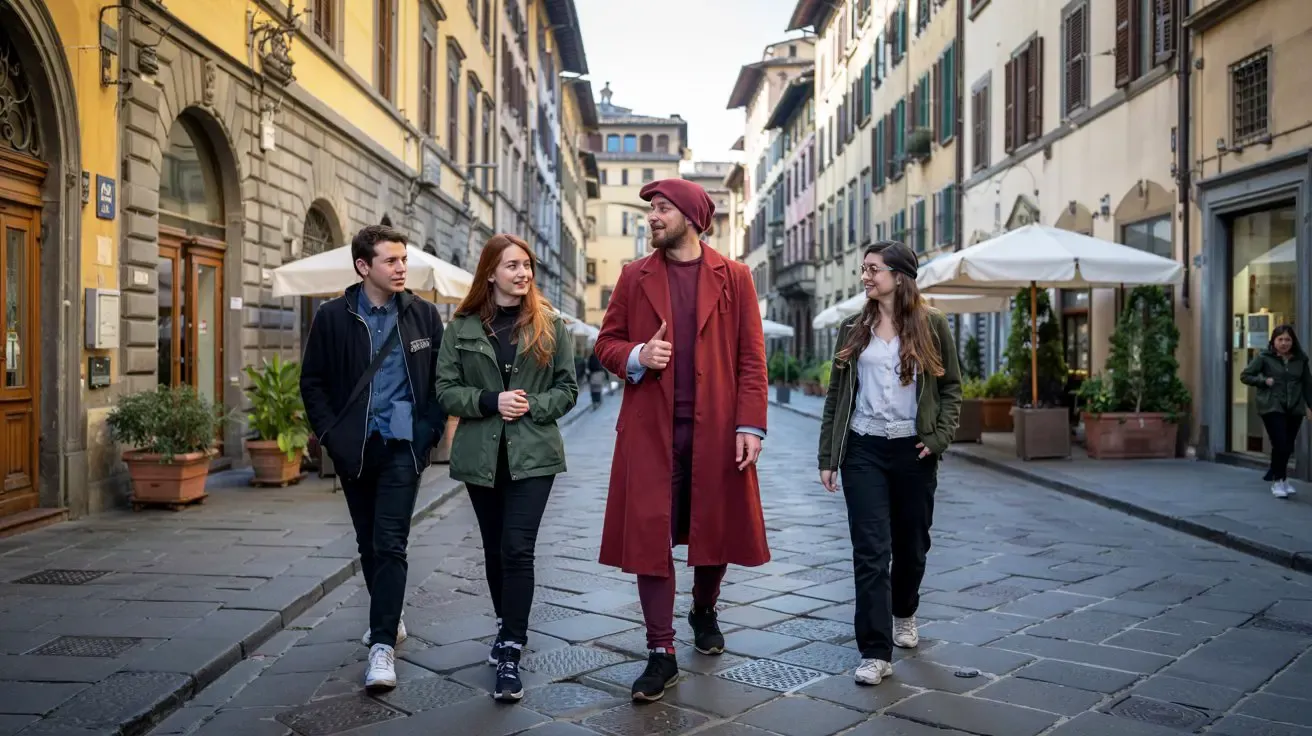
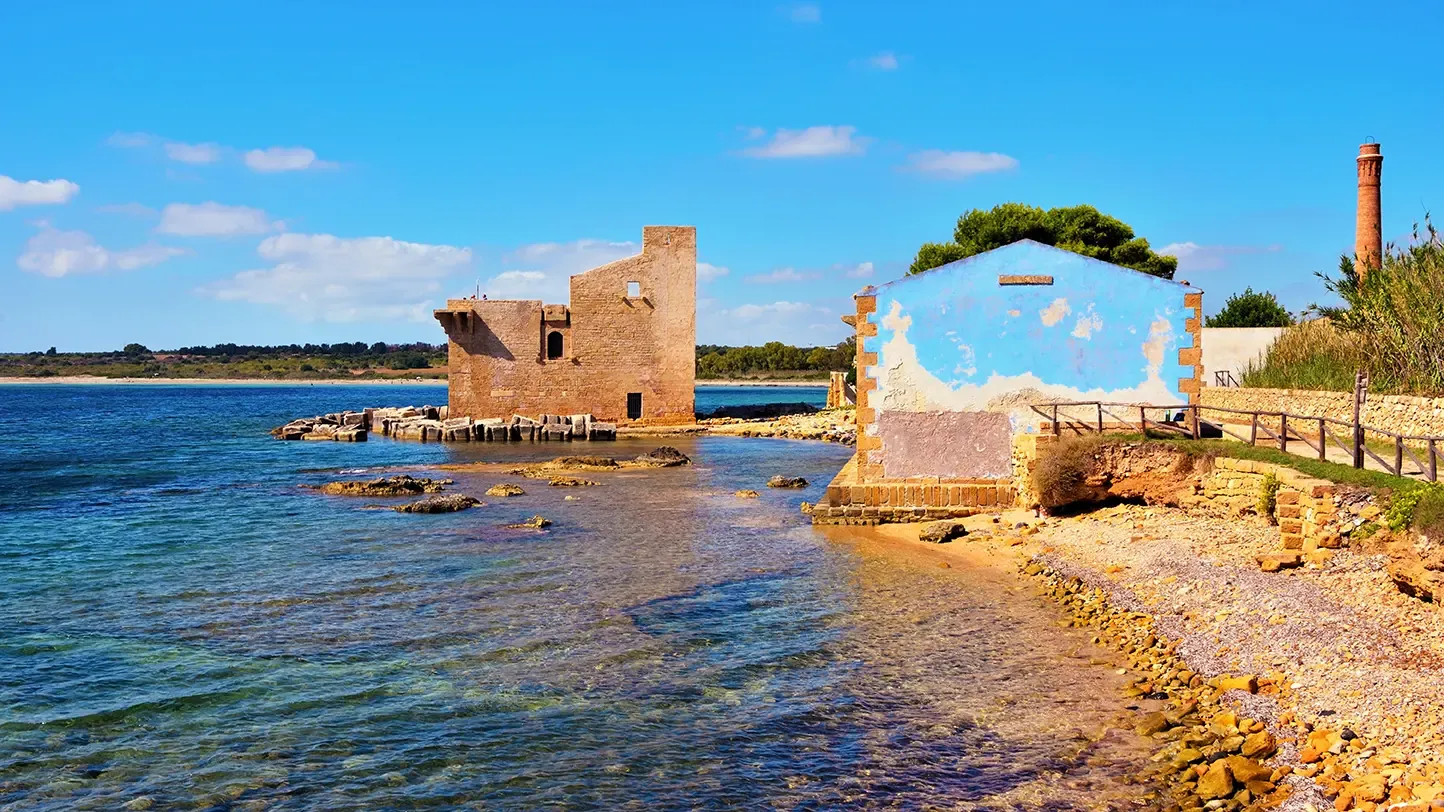
Those who stroll through the streets of the historic centre can therefore still savour the genuineness of the place and lose themselves admiring the vast surrounding countryside, saved from reckless illegal building. Siena conveys a sense of tranquillity and peace, and invites reflection on the beauty of nature, on the importance of the past and of history, which can still be read clearly in its many medieval buildings, and, lastly, on the need to preserve and enhance our cultural heritage, the common matrix of European identity and a means for the sustainable development of a territory.
It was precisely this mix of history, culture and environment, together with the many activities the city organises to promote conscious and sustainable tourism, that led the GSTC to confer the prestigious certificate. Siena, in fact, protects local businesses; encourages green mobility through pedestrian and cycle-tourism routes; keeps traditions alive through the contrade and the Consorzio di tutela del Palio; and, lastly, invests in cultural initiatives that raise awareness of ecology and environmental protection.
For example, in November of this year a workshop on the landscape was held in the Santa Maria della Scala museum complex, an important moment of dialogue which, involving scientists and artists, resulted in a group exhibition entitled ‘Raggio Verde’, curated by Michela Eremita.
After the important GSTC recognition, Siena therefore has everything it needs to become a fully fledged, authoritative example of a green tourist destination. In the words of the former mayor Luigi De Mossi, the certification “is the achievement of an ambitious and prestigious goal for the whole community, which we set ourselves so that Siena might become a driver of sustainable tourism development.
A project to put tourism at the service of the territory and its community, which places Siena at the centre of the international scene.” [Source:
https://www.comune.siena.it/node/4043]
The Siena case clearly shows that being sustainable pays off and offers concrete possibilities for future development. All that remains, then, is to hope that the virtuous example of the Tuscan city will be increasingly followed and imitated, for far greener tourism.