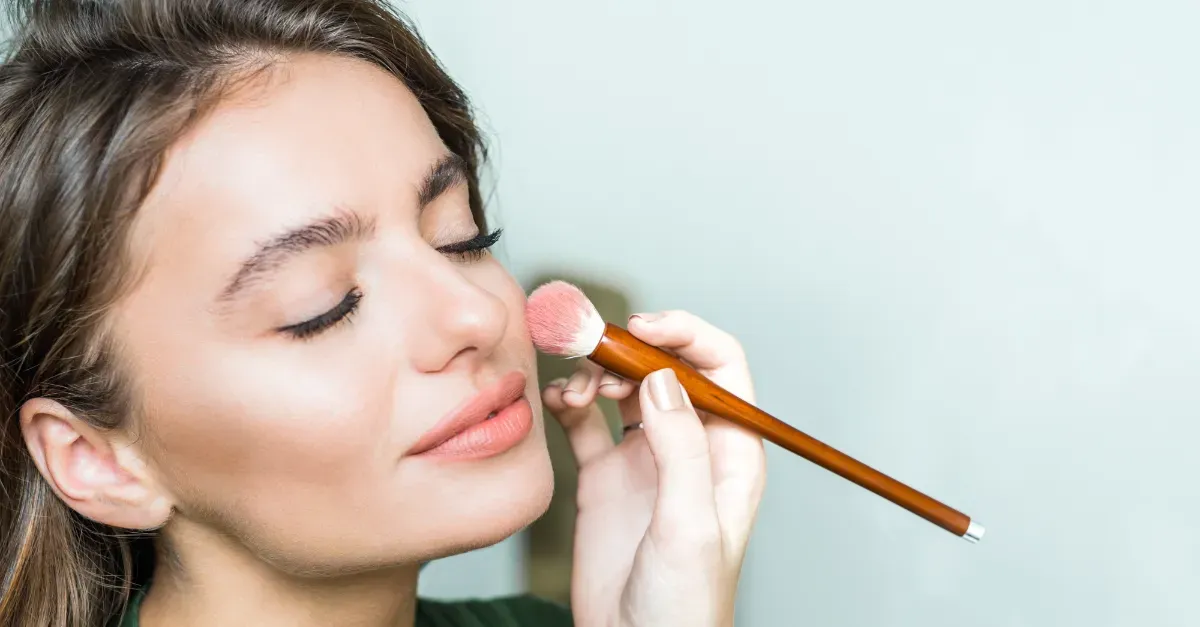
The main components of these organic cosmetics come from controlled crops, where the use of pesticides and synthetic chemicals is strictly prohibited. Essential oils, plant extracts and natural active ingredients become the protagonists of a new cosmetic philosophy that looks to the health of both skin and nature.
A concrete example is the Italian brand PUROBIO, which offers a range of foundations that is entirely certified organic, with ingredients such as jojoba oil and plant extracts from controlled organic farming. On the international front, MADARA - a Latvian brand - makes cosmetics with ingredients gathered in the forests of northern Europe, using cold extraction techniques that preserve the nutritive properties of the plants.
Scientific research supports the importance of the transition towards cosmetics that combine safety for health with respect for the environment. A study published in Cosmetics examined the impact of toxic ingredients such as parabens, triclosan and microplastics, highlighting the significant risks to public health and ecosystems arising from the indiscriminate use of conventional products. The study stresses how organic cosmetics can be a safer choice for both human health and the environment.
In addition, the Yuka website has explored the subject of endocrine disruptors found in many conventional cosmetic products, pointing out that adopting organic cosmetics, which exclude many controversial substances, significantly reduces exposure to potentially harmful chemical compounds.
This evidence reinforces the importance of conscious choices to protect both your skin and the environment. But in practice, which products meet these criteria?
On the various online shopping sites or in specialist shops you can find many products, such as the PUROBIO liquid foundation: a vegan formula, COSMOS certified, or the INIKA Organic foundation: made with 100% natural ingredients.
The deeper questions remain open: will this transition towards organic cosmetics be enough? Industry experts agree that every conscious choice is an important piece in a wider mosaic of environmental responsibility.
The real revolution lies not in replacing a product, but in the cultural change that these cosmetics represent. An approach that looks beyond immediate aesthetics, towards a broader idea of beauty, one that includes respect for the environment and for oneself.
As the morning light continues to illuminate the new products, we realise that contemporary beauty is no longer just what appears, but what consciously chooses to exist.