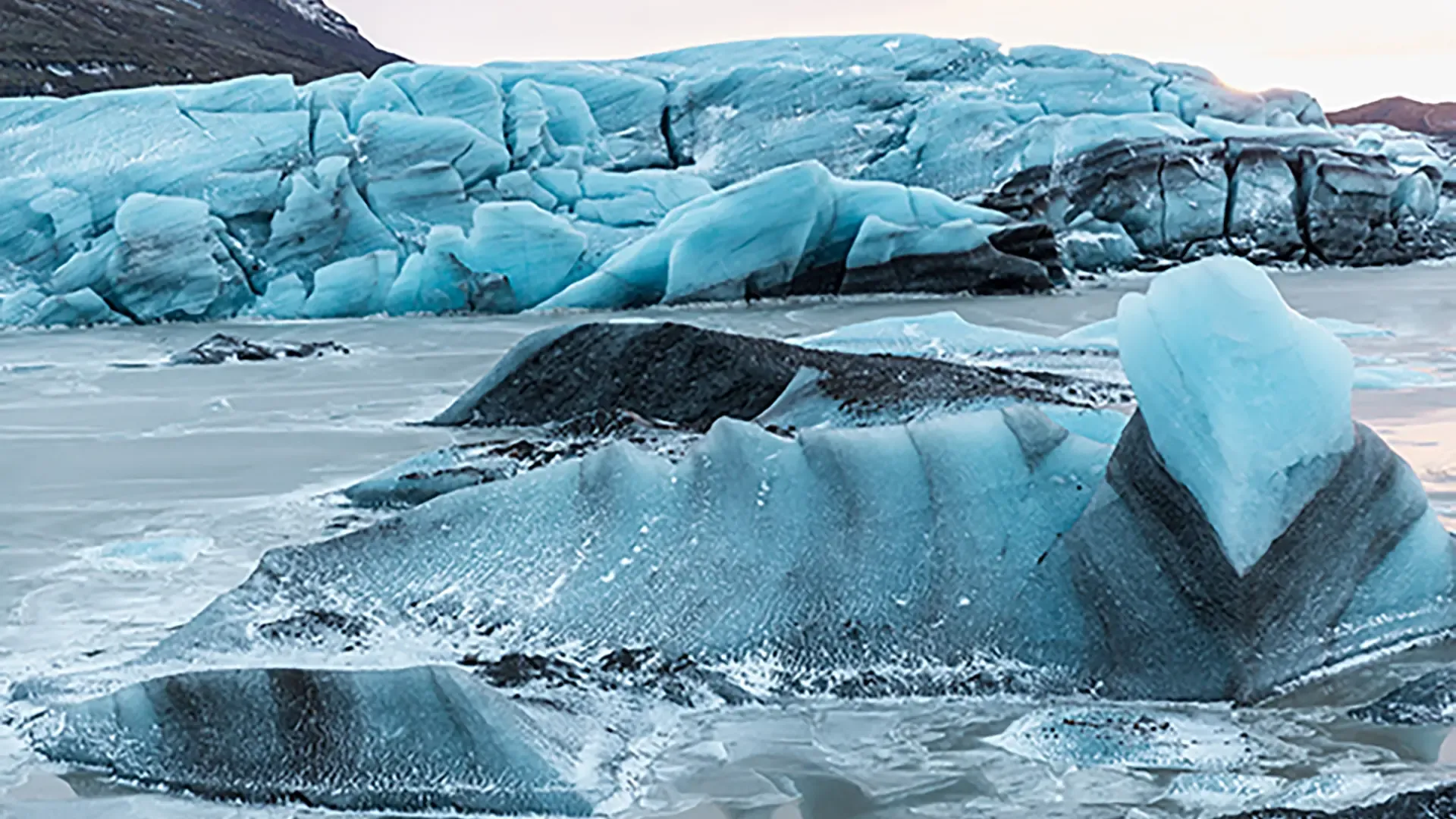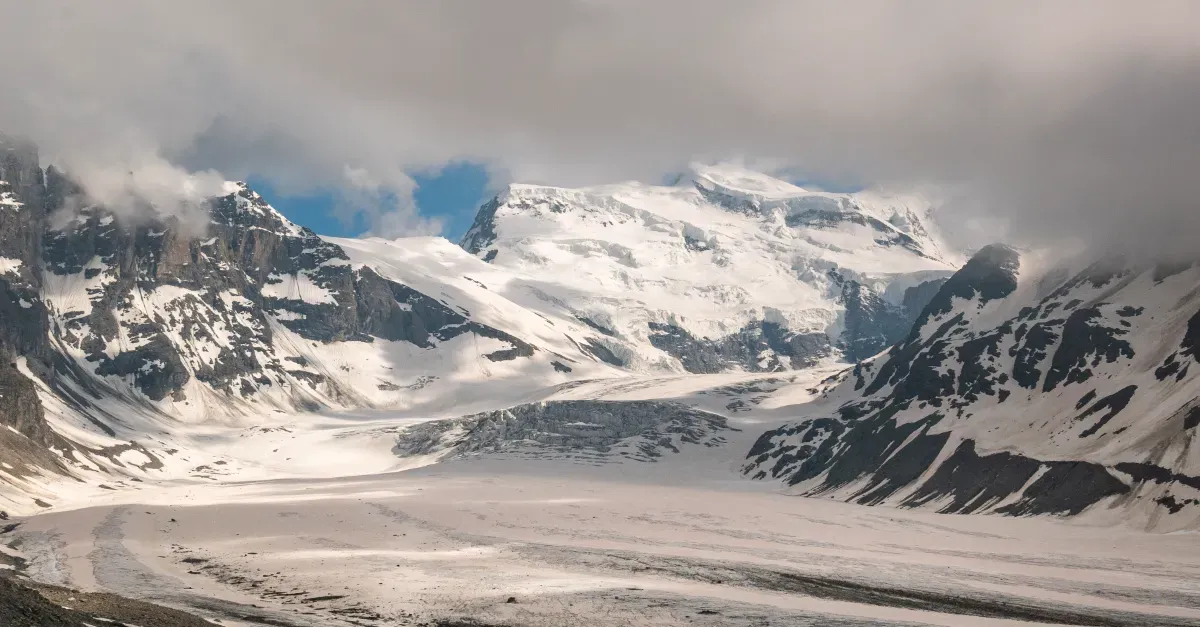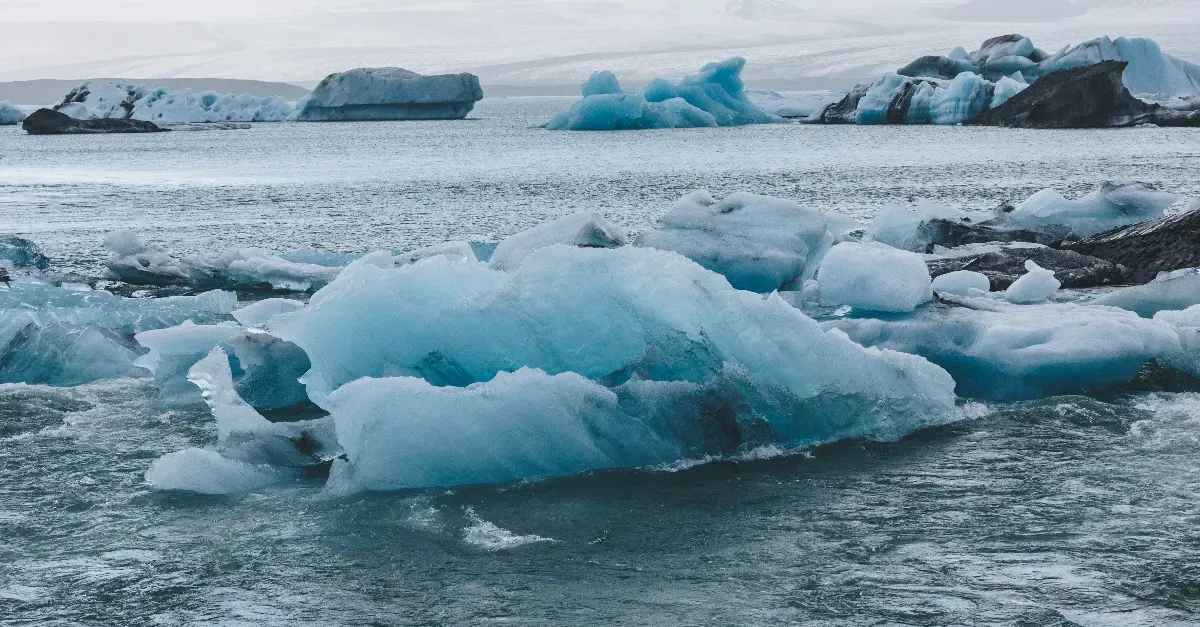
Antarctic ice is shrinking and has reached its lowest extent. According to preliminary data from the US National Snow and Ice Data Center (NSIDC), for the first time since satellite records began (in 1979), the maximum extent remained below 17 million square kilometres (6.56 million square miles).
According to the NSIDC, on 10 September the maximum extent of Antarctic sea ice was about 1.75 million square kilometres (676,000 square miles) below the long-term reference average for 1981-2010. This significant decline in sea ice cover can be attributed to unusually warm ocean temperatures in the Southern Ocean and to higher surface temperatures across East Antarctica, which in turn affect the overall atmospheric circulation over the continent. The scale of this deviation from the typical seasonal pattern is cause for concern.
Antarctica’s immense ice sheet and the surrounding sea ice cover play a fundamental role in regulating the climate because they reflect solar energy back into the atmosphere and space. By contrast, the dark surface of the ocean absorbs much of the incoming solar energy. As a result, less sea ice helps to raise temperatures, thus accelerating a vicious circle.